
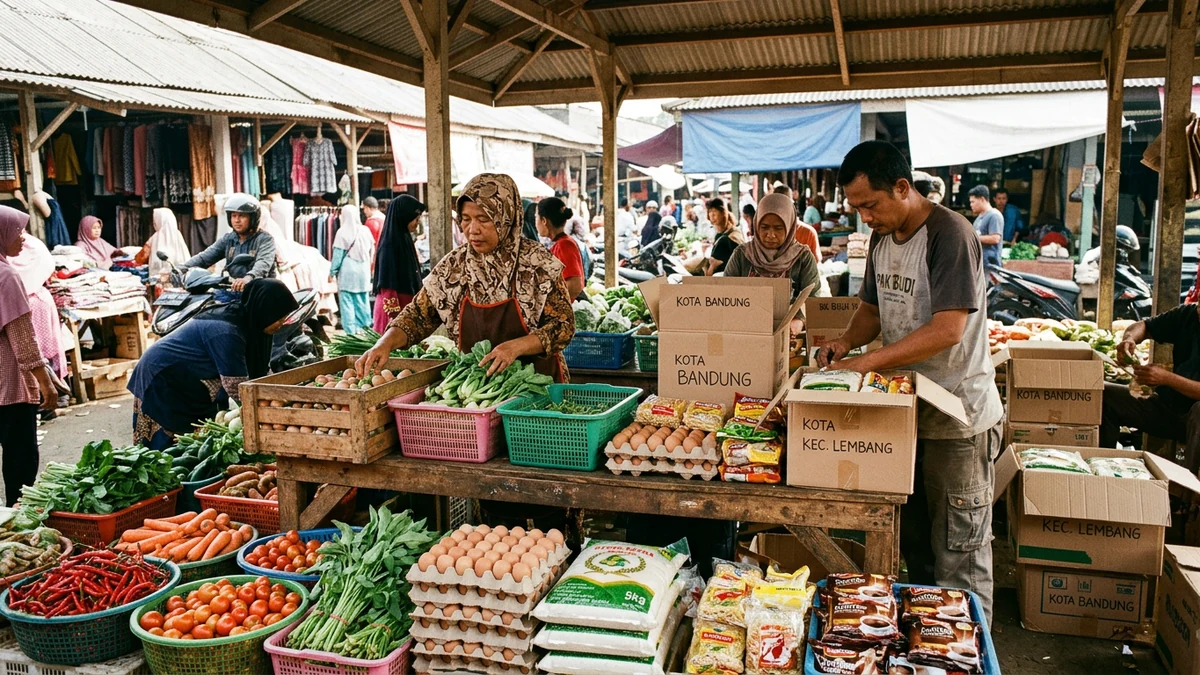
Food loss is often noticed at the end of the chain, when vegetables wilt in a market, fish loses freshness, fruit becomes bruised, or cooked food is thrown away at home. But the causes usually begin earlier. A product may be harvested at the wrong maturity, handled roughly, packed poorly, exposed to heat, delayed in transport, or mixed with damaged material before it ever reaches a family kitchen.
Indonesia’s food system includes many islands, small farms, wet markets, informal traders, long road trips, ports, and temperature-sensitive products. That diversity makes the food supply flexible, but it also creates many points where quality can be lost. Reducing food loss requires looking at the full chain, not blaming one actor.
Food loss is usually a chain problem
A mango bruised at harvest may not look serious on the first day, but the damage can become visible during transport. A vegetable packed while still wet may spoil faster at the stall. Fish that warms during a delay may reach the buyer with less remaining shelf life. Each step adds or protects value.
Loss also has different forms. Some food is physically discarded. Some is sold at a lower price because quality falls. Some is still edible but loses nutritional or market value. For farmers and traders, these losses reduce income. For households, they raise the real cost of food.
Harvest timing and first handling
Many fresh products are sensitive to harvest timing. Fruit harvested too early may fail to develop good flavor. Fruit harvested too late may be too soft for transport. Leafy vegetables harvested during very hot hours may wilt quickly. Fish and poultry need immediate temperature control because quality loss begins soon after harvest or processing.
First handling is equally important. Dropping sacks, stepping on produce, leaving crates in direct sun, washing with unclean water, or mixing damaged pieces with sound product can shorten shelf life. These actions are sometimes treated as normal because they happen quickly during busy harvest days, but their effect appears later in the chain.
Sorting can reduce loss when incentives are fair
Sorting is not only about appearance. It prevents one damaged item from affecting a larger batch. Separating bruised fruit, wet vegetables, cracked eggs, broken packaging or poor-quality pieces can protect the rest of the lot. But sorting works best when the market rewards honest grades.
If all grades are paid almost the same, farmers and collectors may have little reason to sort carefully. If buyers punish every defect without paying more for better handling, suppliers may hide problems instead of managing them. A healthier system gives different outlets to different grades: premium retail, processing, local markets, animal feed where appropriate, or composting for material that is no longer food.
Transport can turn small damage into waste
Transport is a major pressure point. Rough roads, overloaded vehicles, poor stacking, heat, rain and long waiting times can turn small damage into serious loss. Soft produce at the bottom of a load may be crushed. Wet sacks may heat up. Frozen or chilled products may suffer if temperature control is interrupted.
Packaging should match the product and the journey. A crate that allows airflow may be better for some vegetables. Stronger cartons may protect fruit. Insulated boxes and ice may be necessary for fish. The lowest-cost package is not always the cheapest option if it increases rejection or spoilage.
Cold chain helps but does not solve everything
Cold storage and refrigerated transport can reduce loss for meat, poultry, fish, dairy, frozen food and some fresh produce. However, cold chain is not magic. It must begin early enough, maintain stable temperature, and avoid repeated warming and cooling. A product that has already been badly handled will not become high quality simply because it enters a cold room later.
For many small suppliers, the realistic first step is not a complete cold-chain system. It may be shade, faster collection, insulated boxes, cleaner ice, better packing, shorter waiting times, or arranging delivery schedules so that products do not sit too long in heat.
Markets and households see the final symptoms
By the time food reaches a market or kitchen, earlier mistakes may already be visible. A vendor may have to trim vegetables, discount fruit, or discard fish with poor odor. A family may find that vegetables bought yesterday are already slimy, or that chicken does not smell fresh despite being purchased recently.
Households can reduce waste with better shopping plans and storage habits, but they cannot solve problems that happened before purchase. That is why food loss should be addressed at farm, collection, transport, market and home levels together.
What reduction looks like in practice
Practical reduction can start with small changes: harvest at cooler hours, use clean crates instead of overfilled sacks where possible, keep products out of direct sun, separate damaged items early, reduce waiting time, improve ice handling for fish, label batches, and match packaging to the route.
The best solutions are often product-specific. Leafy vegetables, bananas, tomatoes, eggs, fish, chicken and frozen food do not fail in the same way. A serious food-loss program begins by asking where the product loses value, why that step fails, and who has the ability to change it.
Food loss often happens before anyone calls it waste
Food can lose value before it reaches a plate. Bruised fruit, wilted vegetables, broken packaging, warm cold-chain products or wet dry goods may still be physically present, but their market value and usable life have already declined.
In Indonesia, loss can occur at harvest, collection, transport, wholesale markets, small shops and home storage. The solution is not one machine; it is better timing, shade, clean containers, careful stacking, cooling where needed and faster decisions when quality begins to fall.
How the references support this article
The sources below support general food safety, storage and handling principles. For medical, industrial or regulatory decisions, readers should follow the applicable official guidance.