Food, Farming & Agriculture JournalEN / ID
The Micro Harvest
The Micro Harvest Blog
Food, Farming & Agriculture Journal
Coffee

What Makes Indonesian Coffee Taste Different From One Region to Another

Discover the unique factors that contribute to the distinct flavors of Indonesian coffee across various regions. This blog post delves into the influence...

Updated 31 May 2026The Micro Harvest Team10–12 min read
What Makes Indonesian Coffee Taste Different From One Region to Another

Key Takeaways

  • Distinctive coffee types and their characteristics
  • Significance of picking season
  • Cooking methods and their influences
  • Societal elements in coffee making
  • Influence of regional water supplies

Coffee Varietals and Their Profiles

Indonesia bursts forth with an astonishing array of coffee varietals, each one a tantalizing tapestry woven from the threads of unique flavor profiles, intricately shaped by a myriad of environmental nuances. Take the robusta bean, for instance—bold and earthy, it’s right at home in the lowlands of Sumatra, where its character flourishes. Then there’s arabica; this finicky darling revels in high altitudes and cooler climes, evolving into a sweet symphony that dances on the palate with whispers of fruit or delicate floral notes. It's not merely about the type of coffee plant but also about how each region's specific growing conditions sculpt these intricate flavors.

The saga doesn’t end there; oh no! How these beans are cultivated and processed is pivotal to their ultimate taste experience. in regions where wet processing reigns supreme for arabica beans, acidity sings bright—a crisp finish that leaves you craving more. On the flip side lies dry processing for robusta—here we find deep complexity wrapped around a heavy richness that captures its innate sweetness like an embrace. To truly savor Indonesian coffee is to unlock this treasure trove of varietal differences and processing methods—it opens up a world bursting with flavors waiting to be explored!

Distinctive Flavors from Different Coffee Types

In Indonesia, coffee unfolds like a vibrant tapestry woven from an astonishing diversity of varietals scattered across its sprawling archipelago. Each unique strain dances to the tune of its surroundings, influenced by genetics, elevation, and the local embrace of nature’s whims. Take Arabica from Sumatra’s lofty highlands—its essence is a symphony of rich robustness layered with earthy whispers and chocolatey notes that linger tantalizingly on the palate. Meanwhile, Sulawesi's offerings can surprise you with their sparkling acidity and intricate fruity echoes that playfully tease your senses. These nuances speak volumes—not just about the varietals themselves but also about the distinctive terroirs that cradle them.

Yet there's more beneath this aromatic surface! The methods through which these beans are prepared and processed cast yet another spell upon their final flavor profiles. Wet-hulling—a hallmark technique in regions like Sumatra—bestows clarity upon the brew while letting bright notes shine forth vibrantly. On the flip side, natural processing found in Bali invites bold fruitiness into play alongside intriguing wine-like characteristics. This kaleidoscope of preparation practices means even within one single varietal, flavors can shift dramatically from one locale to another—crafting an exquisite mosaic of tasting adventures for those who dare to explore!

The Importance of Harvesting Time

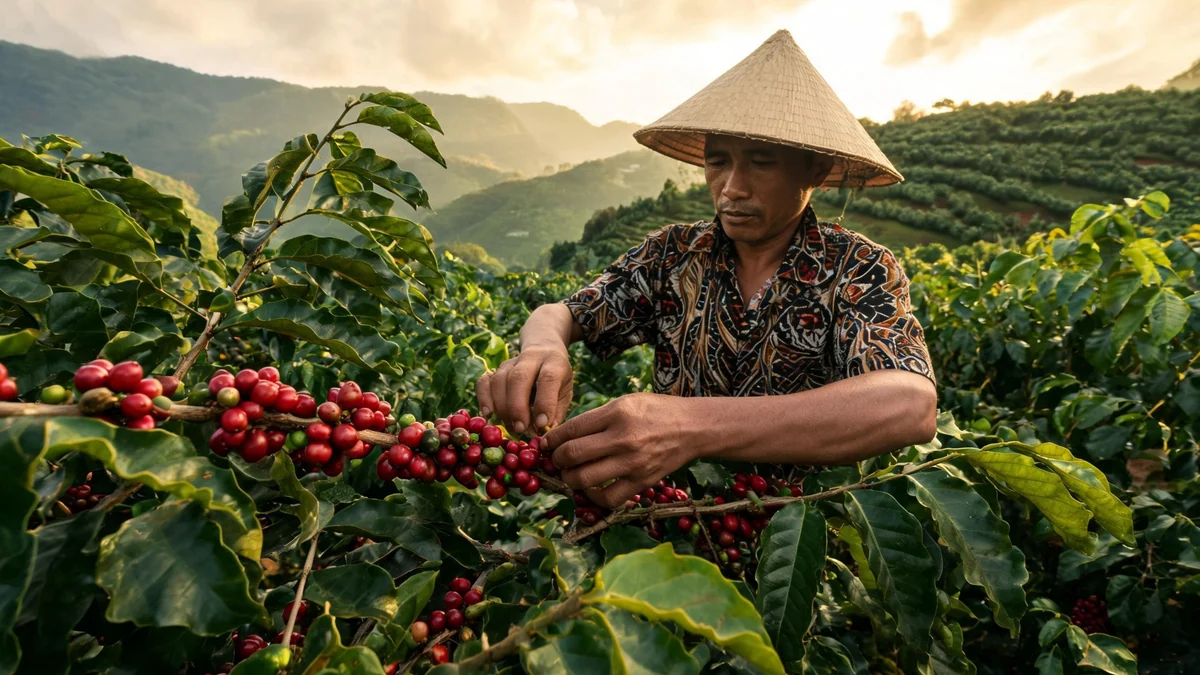
The timing of the coffee cherry harvest is not just a routine task; it’s an intricate dance that dramatically shapes the flavor profile of that divine brew. In Indonesia, this seasonal ballet unfolds in varied rhythms across regions, influenced by a tapestry of factors—altitude, climate quirks, and the idiosyncrasies of specific varietals cultivated there. When cherries are plucked at their zenith of ripeness, they often yield beans bursting with deeper complexity and richness that can send taste buds on an exhilarating journey.

But beware! Harvesting cherries too soon can result in flavors that feel underdeveloped or flat—a missed opportunity to capture nature's full potential. On the flip side, those who wait too long might find themselves with overripe offerings that introduce unwelcome notes to the cup.

These variations in harvest timing aren’t merely about personal choice; they’re reflections of each region’s unique climatic conditions. They affect not only taste but also bean quality itself. Farmers lean heavily on their seasoned instincts and intimate local knowledge to discern when cherries have reached peak sweetness and acidity—the sweet spot for harvesting perfection. Ultimately, aligning harvest time with subtle environmental cues elevates Indonesian coffee into realms where distinct regional flavors come alive—delighting aficionados around the globe who seek out these exquisite nuances like hidden treasures waiting to be discovered.

How Seasonality Affects Flavor Development

Seasonality weaves a tapestry of complexity into the flavor profile of Indonesian coffee, shaped in no small part by the whims of regional climates and the rhythms of harvest cycles. Each coffee-producing locale dances to its own beat, marked by distinct wet and dry seasons that dramatically influence how those luscious coffee cherries ripen. When the rains come pouring down during the wet season, with humidity swirling all around, one might find an exciting surge in acidity and a burst of fruity notes within the beans. Yet as the sun blazes down through cloudless skies in the dry season, there's an opportunity for harmony—a more balanced flavor emerges, rich with sweetness and body as cherries bask uniformly under radiant sunshine.

Harvesting's timing becomes a delicate ballet choreographed to these seasonal shifts. Farmers meticulously await that sweet spot when cherries reach peak ripeness—an ever-changing target thanks to Mother Nature’s moods from year to year. This vigilant focus on maturation ensures that what ends up in your cup captures not just any essence but rather embodies the finest traits specific to that season’s unique conditions. Thus, aficionados who sip their way through various harvests will encounter striking differences; each season leaves its indelible mark on every bean, adding layers upon layers to an already intricate flavor experience.

Harvest Season Climate Conditions Flavor Characteristics
Wet Season High humidity, frequent rainfall Increased acidity, fruity notes
Dry Season Sunny, dry, stable temperatures Balanced flavor, rich sweetness, fuller body
Transitional Season Variable, fluctuating precipitation Complex profiles, mixed flavors
Legacy Season Impact of previous seasons Unique characteristics influenced by climate history

Roasting Techniques and Their Effects

Roasting, oh what an essential chapter in the saga of coffee production! It’s a game-changer—an alchemical process that molds the final flavor profile into something truly extraordinary. Local roasters wield a myriad of techniques, each one adding its own signature flair to those precious beans. Take the traditional methods, for instance: wood or charcoal roasting imbues the coffee with a smoky richness that amplifies its inherent sweetness, wrapping it in layers of history and warmth.

On the flip side, modern approaches like air roasting or drum roasting bring forth a level of precision previously unheard of—temperature and timing become your allies as they coax out an array of tantalizing notes; think floral whispers or fruity bursts dancing upon your palate.

And then there’s Indonesia—a tapestry woven from regional variations in roasting practices that only serve to deepen the complexity and allure of its coffees. Here, artisan roasters often cling to family recipes passed down through generations like treasured heirlooms, intertwining age-old traditions with contemporary twists. This beautiful fusion not only pays homage to their rich heritage but also dares to break new ground in innovation. The choice of how one roasts—the style itself—is just as pivotal as the unique qualities embedded within each bean. Thusly, every Indonesian coffee emerges with its very own narrative—a tale shaped by both technique and tradition waiting eagerly for you to savor it!

Regional Roasting Traditions

Roasting techniques in Indonesia dance to the rhythm of its diverse regions, a vibrant tapestry woven from local tastes and cultural traditions. Take Sumatra, for instance—here, coffee is often thrust into the depths of dark roasting, where earthy tones and robust body emerge like shadows at dusk. Meanwhile, Java struts in with its lighter roast approach; it’s a delicate ballet that lets floral whispers and fruity notes pirouette on the palate.

But it’s not just about flavor—oh no! The act of roasting is steeped in regional identity and age-old customs, making it an indispensable thread in the fabric of Indonesian coffee culture.

Moreover, let us not overlook the traditional equipment that breathes life into these beans! Many regions embrace wooden or charcoal fires—a nostalgic nod that can weave subtle smokiness into each batch. This artisanal method allows skilled roasters to deftly manipulate heat distribution, crafting distinct flavor nuances that tell stories of their origin. It’s this meticulous craftsmanship that accentuates the unique profiles of each coffee varietal across Indonesia's sprawling landscape—a rich symphony of flavors waiting to be savored!

  • Indonesia showcases diverse roasting traditions reflecting its regional identities.
  • Sumatra favors dark roasting, enhancing earthy tones and a full-bodied experience.
  • Java employs lighter roasting techniques, highlighting floral and fruity notes.
  • Traditional roasting methods often utilize wooden or charcoal fires for unique flavor profiles.
  • Skilled roasters manipulate heat distribution to create distinct coffee characteristics.
  • Each region's approach to roasting contributes to a rich tapestry of Indonesian coffee culture.
  • The artisan nature of these methods preserves local customs and enhances the coffee's narrative.

Cultural Factors in Coffee Preparation

In Indonesia, coffee preparation bursts forth with a kaleidoscope of cultural practices and regional identities, each brewing technique whispering tales of history and social customs. Take Kopi Tubruk, for example—this is no ordinary brew! Imagine boiling coffee grounds right in the water—a ritual that pulses with communal spirit, emphasizing the joy found in shared moments over steaming cups. Predominantly enjoyed in Java and parts of Sumatra, this method yields a bold, unfiltered elixir that sings the praises of local beans' robust flavors.

The tapestry doesn’t end there; different regions weave their own enchanting rituals into the coffee experience. Picture Bali: where aromatic spices like cloves and cinnamon flirt with rich brews to create fragrant concoctions steeped in culinary heritage. Yet venture to Aceh, where a uniquely vibrant coffee culture thrives amidst specific social gatherings—each cup not just brewed but infused with identity through careful selection and preparation. These cultural nuances don’t merely add flavor; they transform Indonesian coffee into something far more profound—it becomes an essential thread in the intricate fabric of regional identity itself.

Brewing Methods Unique to Indonesian Regions

In the vibrant tapestry of Indonesia’s landscape, an astonishing medley of coffee preparation techniques flourishes. Each region pulsates with its own cultural heartbeat, intricately shaping the art of brewing. Take Java, for example—here, coffee is crafted through the time-honored “kopi tubruk” method; a ritual that involves boiling gritty grounds and sugar together to yield a cup that's bold and unapologetically robust. Then there’s Bali, where coffee undergoes a transformation via a filtration system known as “bali coffee.” In this process, ground beans bask in hot water before being strained away—resulting in an elegantly smooth finish that dances on the palate. These distinctive methods not only underscore regional identities but also weave intricate narratives into the rich flavor profiles found within Indonesian brews.

Adding another fascinating dimension to this experience is Indonesia's communal approach to coffee drinking—a vibrant dance of social interaction spun around each brewing ritual. Communities often gather joyously over steaming pots of coffee, their conversations swirling like fragrant aromas in the air. Local ingredients or spices are frequently woven into these gatherings, enhancing every sip with layers of sensory delight. Such practices are not merely about taste; they echo deep-seated cultural values and serve as guardians of unique heritage across this sprawling archipelago. Ultimately, every cup of Indonesian coffee becomes more than just a beverage—it transforms into a story steeped in tradition and locality that beckons one to savor both its essence and history.

The Impact of Local Water Sources

The water you use to brew your coffee? it’s not just H2O; it's a game-changer! In Indonesia, the wild variations in mineral content and pH levels from one region to another can dramatically alter the taste of that cup. water bubbling up from volcanic soils—it’s packed with minerals that can amplify the sweetness and body of your coffee like nothing else. On the flip side, if you're working with water that's lighter on those minerals, brace yourself for a cleaner sip—with sharper acidity—that might just shift your entire sensory experience.

But here’s where it gets even more fascinating: local water sources are like nature's fingerprint, shaped by their unique geological backgrounds. Think about areas rich in limestone—these locations often yield mineral-heavy waters that coax out all sorts of complex flavors when brewing. This dance between the inherent qualities of the beans and the characteristics of local water creates an exquisite tapestry that tells Indonesia's story through its diverse terroir. Ignoring water quality is almost sacrilegious if you want to unlock those nuanced tasting notes that truly define each locality's vibrant coffee culture!

Water Quality and Its Role in Flavor Extraction

the captivating world of Indonesian coffee—where every sip tells a tale shaped by one often-overlooked element: water. Yes, that elixir of life! The character of this brew can dance and twirl in response to the quality of H2O used during its preparation. each region boasts its own unique water sources—some bubbling up from mineral-rich springs, others flowing fresh from nearby rivers. These distinctions aren’t mere footnotes; they orchestrate an intricate symphony of flavors throughout the brewing process.

Consider the magic that unfolds when calcium-rich water is poured over those precious grounds—it’s like adding a sprinkle of sweetness and body, transforming your cup into something luxuriously rich. Contrast that with water that's lighter on minerals; it might yield a clean taste but lacks that riveting complexity we crave.

But wait, there’s more! The plot thickens with temperature and pH levels playing pivotal roles as well—a hot tempest might unleash bitter compounds like some unwelcome guests at a party, while cooler waters may simply shy away from extracting all those delightful nuances, leaving you with something disappointingly flat.

In essence, these local quirks in water not only dictate how beans are brewed but also elevate the entire sensory experience tied to Indonesian coffee culture itself—a vivid tapestry woven together by nature's bounty and human ingenuity alike!

Conclusion

Indonesia's captivating and varied landscape plays a pivotal role in crafting the extraordinary flavor profiles of its coffee. each region, with its distinctive altitudes, climates, and soil types, creates an exquisite environment that nurtures an array of coffee varietals. It’s a complex dance where these elements intertwine not just with the beans themselves but also with the vibrant local cultures—practices and traditions that shape every step from harvesting to processing to brewing. Thus unfolds an adventurous journey for coffee enthusiasts—a rich tapestry of flavors woven within one nation, marked by regional nuances that elevate the entire coffee experience.

Peering into the intricate influences behind Indonesian coffee solidifies its esteemed status on the global stage. Delving into local geology's significance, climate fluctuations' impact, and age-old practices unveils profound insights about why each cup presents a distinct sensory adventure. Moreover, there’s an unwavering commitment to nurturing these regional identities through sustainable methods—ensuring that Indonesia's remarkable diversity in coffee is not just savored today but cherished for generations yet to come.

FAQs

What are the main coffee varietals found in Indonesia?

Indonesia—a veritable tapestry of coffee varietals! Here, Arabica and Robusta reign supreme, yet it’s the captivating characters like Sulawesi, Sumatra Mandheling, and Java that steal the spotlight with their extraordinary flavor profiles. Each sip tells a different story!

How do harvesting times influence the taste of Indonesian coffee?

Harvesting time plays a crucial role—like an artist choosing just the right moment to paint! Beans plucked at their peak ripeness burst forth with vibrant complexity and delightful nuances. Contrast this with those harvested too soon or delayed beyond optimal maturity; they simply lack the depth and richness that make your palate dance.

What role do roasting techniques play in the flavor of Indonesian coffee?

Roasting—the alchemical process where beans transform into coffee! Different regions across Indonesia have cultivated unique roasting traditions that can either amplify or subdue specific flavor notes. The result? A symphony of rich, earthy flavors emerges, each cup bearing testament to its origin.

Are there unique brewing methods in Indonesia that affect coffee flavor?

Absolutely! Across this diverse archipelago lie myriad brewing methods that craft distinct taste experiences. From traditional pour-overs to French presses—and let’s not forget local rituals like "kopi tubruk"—each technique weaves its magic into every drop.

How does water quality impact the flavor of Indonesian coffee?

Water quality is no mere footnote; it's a fundamental player in this flavorful drama! The mineral content and pH levels of local water sources vary widely throughout Indonesia, acting as an unseen hand guiding extraction processes. This variability can either elevate or diminish those inherent flavors lurking within each bean—leading to remarkable regional distinctions in taste.