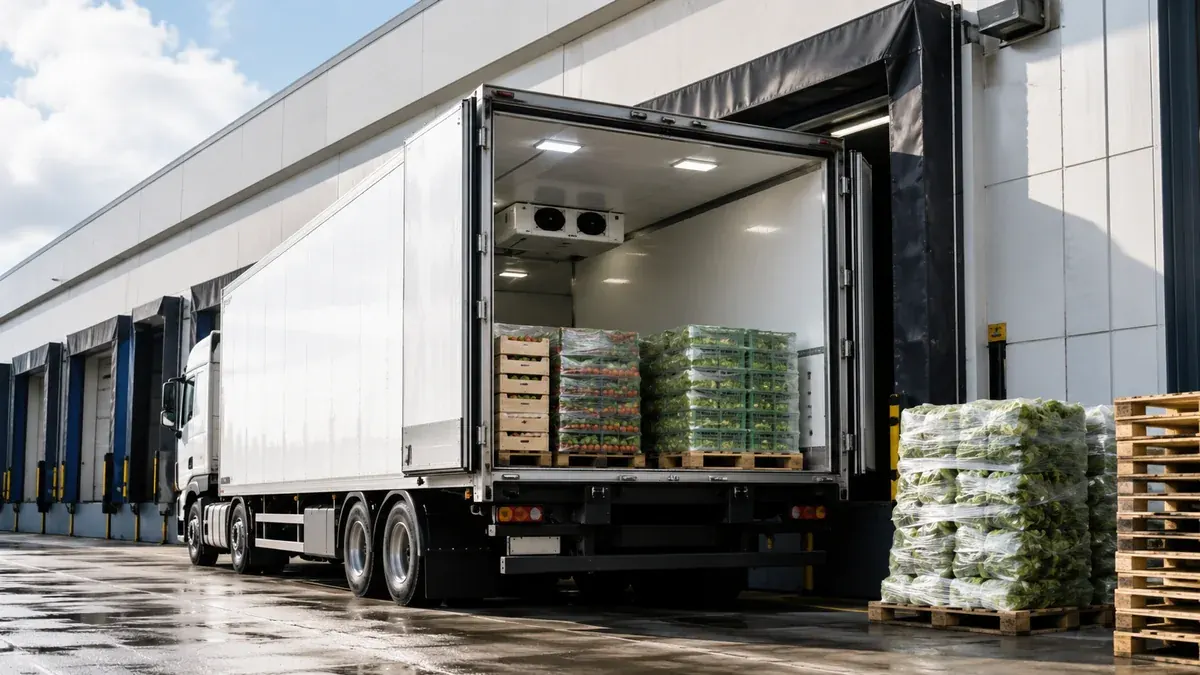
What Is Supply Chain in Food and Agriculture? From Farm to Documented Delivery

Key Takeaways

  • Importance of Standards in Product Assurance
  • Significance of Mediators in Product Movement
  • Influences of Market Dynamics on Distribution
  • Effects of Innovation on Operational Effectiveness

Quality Control Measures

In the intricate dance of food production, where standards soar high like a kite in a brisk wind, quality control measures emerge as the bedrock upon which safety and health stand firm. These essential practices weave a tapestry of assurance, ensuring that each morsel not only adheres to stringent regulations but also aligns with our health expectations. Picture it: routine inspections mingling with meticulous lab tests—producers are on the front lines, ever vigilant, catching potential pitfalls before they ever reach the eager hands of consumers. It transcends mere compliance; it's about cultivating trust and guaranteeing that people savor food that's both safe and nourishing.

Equally vital is the training of staff—a linchpin in this elaborate machinery of effective quality control. Workers must be well-versed in best practices for handling food while upholding impeccable hygiene standards. Regular workshops serve as crucial touchpoints, keeping everyone abreast of evolving requirements and innovations within the field. When every cog in this wheel comprehends their pivotal role within the quality control framework, operations hum along seamlessly! This unified endeavor transforms into something significant—delivering vibrantly fresh products that grace market shelves with confidence and care!

Ensuring Food Safety and Compliance

Food safety looms large in the labyrinth of the food industry; it’s a paramount concern! Producers are bound by an intricate web of stringent guidelines crafted to safeguard public health. Think about it: regular inspections and meticulous testing serve as vigilant guardians, ensuring that every morsel—from farm to table—adheres to unwavering safety standards. But let’s not forget, compliance isn’t merely a checkbox on a legal form; it's the bedrock upon which consumer trust is built. People crave assurance that their meals won’t come with hidden dangers.

To uphold these lofty quality standards, producers must navigate the ever-evolving landscape of regulations and best practices like seasoned explorers. Educating staff on proper handling and storage techniques? Absolutely essential! When every team member is well-versed in protocols, it fosters an ingrained culture of safety—a camaraderie rooted in vigilance. Moreover, conducting regular audits acts as a beacon for improvement opportunities, transforming food safety from a transient endeavor into an ongoing commitment—a relentless pursuit where vigilance never sleeps!

The Role of Distributors

Distributors, those unsung heroes of commerce, weave a critical thread in the intricate tapestry that connects producers to retailers. They’re not just middlemen; they are the vigilant sentinels ensuring that goods traverse the labyrinthine pathways of logistics with both efficiency and safety. This link? Absolutely essential! It’s what keeps store shelves brimming with products and consumers grinning from ear to ear. Imagine a world without dependable distributors—chaos would reign supreme as fresh products languish unfulfilled in warehouses, leaving gaps where consumer cravings should be met.

Moreover, these savvy professionals excel at fostering dialogue between producers and retailers. With their keen insight into shifting consumer demand trends—like storm clouds gathering on the horizon—they guide producers toward crafting offerings that resonate most with shoppers’ desires. By staying attuned to market rhythms, distributors harmonize the entire supply chain orchestra, ensuring every player is in sync and making for a seamless experience for all involved parties.

Connecting Producers with Retailers

Producers and retailers, oh what a dynamic duo! They’re the unsung heroes in the intricate ballet of delivering top-notch products straight to consumers. When these two entities sync up harmoniously, it’s like magic—everything just clicks into place. The alchemy of robust communication and savvy partnerships can sway outcomes profoundly. Retailers, with their fingers on the pulse of consumer desires, keep shelves brimming with vibrant goods while producers fine-tune their output based on that very demand. This symbiotic dance not only ramps up efficiency but also slashes waste.

Now, let’s talk about distributors—the vital link in this chain! These folks are the connectors, ensuring that goods flow seamlessly from farms or factories right into stores’ eager hands. They possess an uncanny knack for deciphering retailer needs and aligning them perfectly with what producers have to offer. This synergy doesn't merely bolster local economies; it transforms shopping into an experience bursting with fresh choices for consumers yearning for variety at their dinner tables!

Retail Dynamics in the Supply Chain

Retailers stand at the epicenter of the supply chain, bridging the vital gap between producers and consumers in a dynamic interplay. When it comes to deciphering consumer demand, grasping trends is absolutely essential. Retailers keep a watchful eye on which products soar off the shelves with lightning speed and which ones languish in forgotten corners, adjusting their inventory with remarkable finesse. This nimbleness ensures that when customers stroll into a store or scroll through an online catalog, they're greeted by all their desired items.

Being attuned to shifting consumer preferences can truly transform the game for retailers. They sift through mountains of data to forecast what might capture hearts—and wallets—next season. But make no mistake: this inventory management isn't child's play; it's akin to performing an intricate ballet where balancing supply and demand takes center stage. The more adept retailers are at this delicate choreography, the richer the experience for consumers hunting down their beloved snacks or essentials!

Consumer Demand and Product Availability

Grasping the whims and fancies of consumers is nothing short of crucial for maintaining well-stocked shelves and ensuring business vitality. Retailers find themselves in a relentless dance with trends and shifting preferences, necessitating an ongoing vigil over market data and sales patterns. When tastes morph or a hot new diet craze bursts onto the scene, it sends shockwaves throughout the entire supply chain. Should producers falter in their response to this ever-evolving demand, they risk facing barren shelves and irate shoppers.

Navigating the labyrinth of product availability can be quite daunting, particularly during peak seasons or when unforeseen events strike with little warning. Imagine a specific snack skyrocketing into must-have territory—distributors must spring into action to guarantee that ample supplies flow seamlessly to retailers. The linchpin? A fluid communication network among producers, distributors, and retailers that streamlines inventory management like clockwork. When all parties are aligned harmoniously, customer satisfaction soars—and suddenly, shopping morphs from a mundane chore into a delightful adventure!

Product Category Current Demand Level Supply Status Notes
Snack Foods High Stable New diet trends boosting sales
Beverages Moderate Fluctuating Seasonal flavors gaining popularity
Frozen Meals Increasing Under Pressure With more consumers cooking at home
Personal Care Products Stable Stable Consistent demand for essentials

Technology’s Impact on Supply Chain Efficiency

Isn’t it something? The way technology is turning the supply chain world upside down! Through cloud solutions and cutting-edge software, businesses can now keep their finger on the pulse of inventory levels—real-time tracking at its finest. A mere few clicks grant them the power to forecast demand, fine-tune stock management, and engage with suppliers like never before. By automating these intricate processes, we're not just minimizing human error—we're catapulting efficiency through the roof while slashing costs. Talk about a seismic shift for those hustling to move products seamlessly from point A to point B!

And let’s not forget about smart devices—those IoT sensors are shaking things up in this arena too! They unleash a treasure trove of data that alerts stakeholders when supplies dwindle or even when shipments hit unexpected snags. This instant insight empowers everyone—from producers to retailers—to make swift, well-informed decisions. Add in advanced analytics and voilà! Companies can unearth trends and finesse delivery routes like pros, leading to speedier deliveries and delighted customers all around. It’s a revolution aimed squarely at crafting smarter, slicker supply chains—and you bet it benefits everyone involved!

Innovations Streamlining Processes

The supply chain landscape is morphing at breakneck speed, fueled by tech innovations that are streamlining processes like never before. Picture this: automation tools powered by AI are not just crunching numbers for demand forecasting; they're deciphering consumer trends and slashing waste with uncanny precision. This technological leap allows businesses to pivot swiftly, ensuring their shelves are stocked with precisely what customers crave. With the burden of manual tasks lifted, companies can channel their energy into elevating quality and adhering to safety standards.

And then there's the seismic shift brought about by digital platforms that seamlessly connect suppliers and retailers. These virtual hubs transform communication and order management into a breeze—think real-time inventory updates coupled with insightful analytics. Such transparency fuels efficiency and fine-tunes coordination, crafting a supply chain that's not just reactive but proactive. As all parties stay interconnected in this digital age, guaranteeing product availability when consumers need it becomes second nature, keeping satisfaction levels soaring sky-high.

  • Improved accuracy in demand forecasting through AI analytics
  • Increased efficiency in order management and communication
  • Reduction of manual tasks, allowing focus on quality and safety
  • Enhanced transparency in inventory management
  • Faster response times to market trends and consumer preferences
  • Greater collaboration among suppliers and retailers
  • Increased customer satisfaction due to better product availability

Conclusion

Traversing the labyrinthine landscape of the supply chain reveals a stunning truth: every piece plays an indispensable role in crafting an effortless experience for consumers. Quality control measures stand as sentinels, guarding food safety and compliance—elements that forge trust with those who consume. Strip away that trust, and the entire edifice could crumble, highlighting the intricate web of interdependence woven throughout this system.

Moreover, distributors serve as the vital connective tissue binding producers to retailers, orchestrating a fluid exchange of goods amid constant flux. Retail dynamics are like shifting sands; they ebb and flow based on consumer whims and product availability, necessitating acute awareness from all involved parties. By adopting technology not merely as a tool but as a catalyst for transformation, we not only boost efficiency but also ignite innovation—a spark that keeps the supply chain pulsating vibrantly within an ever-competitive arena.

FAQs

What exactly is a supply chain in the realm of food and agriculture?

Picture this: a complex web where every strand plays a crucial role in transporting our sustenance from the verdant fields to our dining tables. A supply chain in food and agriculture encapsulates everything, weaving together the cultivation of crops, raising livestock, processing those goods, distributing them far and wide, and ultimately delivering them to retailers who place them within arm's reach of consumers.

Why does quality control hold such paramount importance in the food supply chain?

Quality control isn't just important; it’s absolutely essential! It acts as the guardian of safety, ensuring that what lands on your plate is not only fresh but also meets stringent regulatory standards. By safeguarding against foodborne illnesses, it guarantees that consumers receive nothing short of top-notch products—because nobody wants surprises when it comes to their meals!

How do distributors fit into this intricate tapestry known as the food supply chain?

Distributors are like the unsung heroes—the vital connectors bridging farmers with grocery stores! They orchestrate transportation logistics, manage storage woes, and ensure that perishable delights make their way efficiently through this bustling network until they land right where they belong—on store shelves or even directly at your doorstep.

What factors stir up retail dynamics within the food supply chain?

Ah, retail dynamics—a constantly shifting landscape influenced by an eclectic mix! Consumer demand dances alongside seasonal product availability while pricing strategies play their own tune. Marketing efforts add another layer of complexity. Retailers must remain agile—adapting swiftly to evolving trends and preferences—to satisfy ever-changing customer cravings.

In what ways is technology reshaping our approach to the food supply chain?

Technology isn’t merely changing—it’s revolutionizing! Envision tracking software seamlessly mapping journeys from farm to fork; automated inventory management systems eliminating human error; advanced logistics frameworks optimizing delivery routes. These cutting-edge tools work tirelessly behind-the-scenes to streamline processes like never before—slashing waste while boosting overall efficiency across this multifaceted ecosystem!