Key Takeaways
- Impact on Nature and Sustainability
- Safety Standards and Practices
- Importance in Supply Networks
- New Developments in Frozen Offerings
Environmental Considerations
When we ponder our culinary selections, the environmental repercussions often bubble to the surface. Ah, frozen food! Its production usually boasts a diminutive ecological footprint when stacked against fresh fare—largely thanks to that enticingly prolonged shelf life. With frozen options gracing our freezers, the relentless drumbeat of frequent deliveries quiets down, which can translate into a delightful dip in carbon emissions. And let’s not overlook this: those frosty morsels are harvested at their zenith of ripeness, ensuring a cornucopia of nutrients while curtailing the waste that plagues the fresh produce aisle.
Sustainability is all the rage in today’s frozen food arena—a veritable renaissance! Brands are stepping up to the plate (pun intended), diligently sourcing ingredients with care and slashing packaging waste like never before. Many are turning towards eco-friendly materials—keeping our meals fresh while nurturing Mother Earth in sweet harmony. It’s invigorating to witness companies championing environmental integrity even as they dish out scrumptious and hassle-free meals straight from our freezers!
Sustainability in Frozen Food Production
Frozen food has taken quite the leap forward in the realm of sustainability, hasn't it? Picture this: a growing number of companies are now honing in on eco-friendly packaging while actively sourcing their ingredients from local farms. This delightful shift means that consumers can relish the convenience of frozen meals without turning a blind eye to sustainable practices. It's truly uplifting to witness brands pouring resources into strategies aimed at shrinking their carbon footprint—whether it's slashing transportation emissions or innovating products that demand less energy during production.
And here’s where it gets particularly fascinating: freezing doesn’t just preserve food; it locks in nutrients! When fruits and vegetables are flash-frozen right after being harvested, they maintain their freshness far better than those poor souls sitting on store shelves for days on end. The result? Less food waste and a guarantee that we're reaping the maximum nutritional benefits possible. As awareness spreads like wildfire about these perks, frozen food is swiftly becoming an appealing choice for anyone eager to make more sustainable dietary decisions.
| Brand | Packaging Type | Sourcing Practices | Energy Efficiency Initiatives |
|---|---|---|---|
| GreenGourmet | Biodegradable | Local farms | Solar energy in production |
| FreshFreeze | Recyclable | Regional suppliers | Energy-efficient machinery |
| EcoEats | Compostable | Organic farms | Reduced water usage |
| Sustainable Bites | Reusable containers | Farm-to-table partnerships | Carbon offset programs |
Frozen Food Safety
Ensuring the safety of frozen food? Oh, it’s absolutely crucial—like, top-tier important! Why? Because it helps fend off those pesky foodborne illnesses lurking in the shadows. So, when you’re out shopping amidst the bustling aisles, take a moment to check the temperature of those freezers. Yes! Look for products that are solidly frozen; steer clear of anything that appears to be thawing or has ice crystals creeping up on its packaging like unwanted guests at a party.
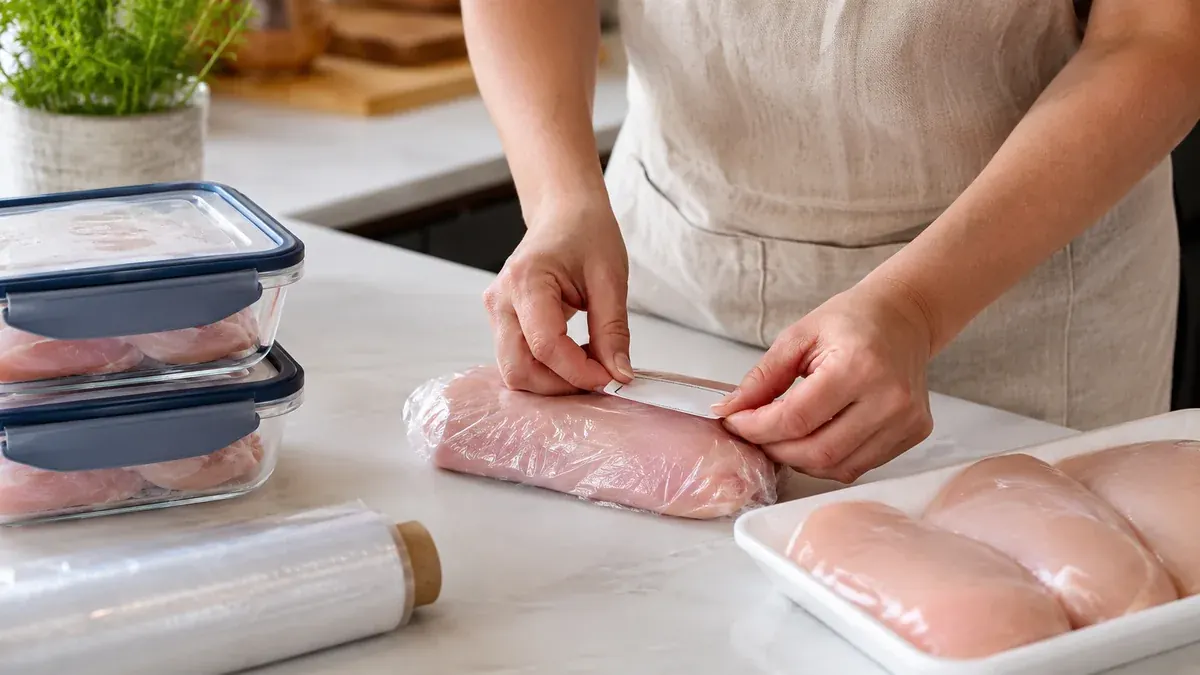
Once you haul those frozen goodies home, don’t dawdle: get them into your own freezer pronto! A tip? Keep that frosty compartment set to 0°F or lower—this way you'll ensure maximum quality and safety for your delectable delights.
But wait, there’s more! Handling frozen food safely isn’t just about where you stash it away. No sirree! Always wash your hands before and after touching any kind of food—even if it's still in its icy form. And cooking? Ah yes—make sure your meals hit that perfect internal temperature; this is especially vital for meat and poultry dishes. A handy dandy food thermometer can become your best friend here, confirming everything is cooked to perfection.
Oh—and let’s not forget about thawing! The refrigerator reigns supreme as the safest option for defrosting foods. Once those items have taken their warm leap back from frostiness, make sure they are cooked quickly so bacteria doesn’t throw an unwelcome party of its own. Stay safe out there in the culinary wilds!
Best Practices for Handling and Cooking
When it comes to navigating the icy realm of frozen food, maintaining that frosty chill is absolutely paramount. First and foremost, ensure your freezer is in tip-top shape—no half-hearted efforts here! It’s crucial to resist the temptation of flinging open that freezer door too often; each time you do, a wave of warmth rushes in, nudging temperatures up like an unwelcome guest at a party. Planning a grocery run? Don’t forget to grab a cooler—a trusty sidekick—to cradle those frozen treasures on their journey back home. And once you're back from the store? Hustle those goodies into the freezer with urgency as if they might sprout legs and escape!
Now let’s chat about cooking these frosty delights—it doesn’t have to be an uphill battle! Thawing is certainly one route, but why not go rogue and toss most frozen fare straight onto the heat? Just keep in mind: adjusting cooking times is critical! Frozen foods often require more time than their fresh counterparts—think of it as giving them a little extra love before they hit your plate. And don’t forget your trusty food thermometer; it's your best ally for ensuring everything reaches that perfect state of doneness, keeping any pesky food safety concerns at bay while you whip up something delicious!
The Role of Frozen Food in Food Supply Chains
Frozen food has revolutionized the landscape of modern food supply chains, acting as a vital conduit that seamlessly connects producers with consumers. Imagine this: seasonal fruits and vegetables, once confined to their fleeting availability, now grace our tables year-round! This remarkable capability not only ensures that supermarket shelves are perpetually stocked but also empowers restaurants to offer a steady menu despite the whims of changing seasons. Convenience reigns supreme; just think about it—people can fill their freezers with ready-to-go meals, slashing those grocery runs down to a minimum.
But wait, there’s more! The impact of frozen food extends beyond mere convenience—it plays a pivotal role in reducing food waste. By capturing items at their peak freshness and freezing them, producers significantly elongate shelf life. The result? Less spoilage before these goods even find their way to our plates! And for consumers? They can take what they need while stowing away the rest for later use—a small shift that cultivates mindful eating habits. It’s truly a win-win scenario for everyone involved—from the intricate web of the supply chain right down to our very own dinner tables.
How Freezing Reduces Food Waste
Freezing food—oh, what a marvelously simple yet effective strategy to tackle the ever-escalating dilemma of food waste! Imagine this: when you freeze your culinary treasures, their shelf life receives a generous extension, transforming leftovers and bulk purchases into long-term allies against spoilage's relentless march. It’s akin to pressing the pause button on freshness itself! For families or anyone navigating the whirlwind of modern life, this means having meals at your fingertips without the nagging anxiety that tomorrow’s dinner will turn into yesterday’s science experiment.
Moreover, let’s not overlook the magic behind frozen fare. Often sourced from produce plucked at its zenith ripeness and then swiftly captured in frost—this technique preserves nutrients and flavor like nothing else can. Those fruits and veggies that might have slipped through the cracks of grocery aisles are given a second chance at glory! So by choosing frozen options, you're not just curbing waste by utilizing every morsel you possess; you're also indulging in deliciousness while championing a more sustainable food ecosystem. How splendid is that?
Innovations in Frozen Food Products
Frozen food is undergoing a radical transformation, and it's downright thrilling to witness how companies are elevating their offerings. For starters, there's this dynamic movement toward healthier alternatives. Brands are now rolling out meals that aren't just scrumptious but also brimming with nutrients! Imagine frozen veggies flash-frozen at their peak ripeness—vibrant colors and flavors locked in—and ready-to-eat dishes tailored to meet an array of dietary preferences. It’s all about making healthy choices not only feasible but downright convenient for those hectic days.
But wait, the quest for convenience doesn’t end there! Technology is revolutionizing what we find tucked away in the freezer sections. Innovations abound: think vacuum-sealed packaging designed to keep your food fresher than ever before and smart technologies aimed at slashing energy consumption during production processes. And let’s not overlook the explosion of plant-based frozen meals—these gems make weaving more greens into our diets a breeze without skimping on taste! These trends weave enjoyment and practicality together seamlessly, transforming frozen foods into an enticing option for everyone under the sun.
Trends Shaping the Industry
The frozen food industry is absolutely abuzz, a whirlwind of excitement swirling around as consumers increasingly embrace health-conscious choices. A striking transformation is underway—one that leans heavily toward clean labels. Yes, fewer ingredients and an outright ban on artificial additives are becoming the norm! This delightful shift empowers people to whip up quick meals without sacrificing their dietary aspirations. Organic frozen meals are now making their grand debut in freezers from coast to coast, granting everyone the chance to savor convenient dining while staying true to their principles.
But wait, there’s more! Cutting-edge technologies are revolutionizing the entire process of crafting and packaging frozen foods. Picture this: vacuum sealing and flash freezing techniques work tirelessly behind the scenes, ensuring that both flavor and nutrients remain locked tight within those packages—making these offerings even more enticing than ever before! And let’s not overlook eco-friendly packaging solutions; they’re gaining serious momentum as consumer demand for sustainability skyrockets. As this dynamic industry continues to evolve at breakneck speed, one thing becomes crystal clear: keeping it fresh, healthy, and sustainable isn’t just a trend—it’s fundamental for the future of frozen foods!
- Increased focus on plant-based options in the freezer aisle
- Rise of global flavors in frozen meals
- Convenience-driven products tailored for busy lifestyles
- Emphasis on portion control and single-serve packaging
- Growth in subscription services for frozen meal deliveries
- Investment in transparency and ethical sourcing practices
- Expansion of frozen snacks that cater to dietary restrictions (gluten-free, vegan, etc.)
Conclusion
The frozen food sector is undergoing a whirlwind of change, rapidly morphing to embrace sustainable practices that are absolutely vital for our planet. Picture this: companies are not just sitting back; they're ramping up their efforts with a laser focus on minimizing waste and championing responsible sourcing. Innovations are breaking through barriers, crafting frozen meals that aren't just eye-catching but also packed with nutrition and eco-friendly goodness.
And here’s where customers come into play—they're the engine driving this transformation! As they increasingly seek out products that resonate with their values, every choice we make in supporting brands committed to sustainability sends ripples throughout the industry. It’s evident that frozen foods have an exhilaratingly bright future ahead—one that's poised to cater not only to consumer cravings but also to the well-being of our planet as a whole.
FAQs
What in the world is frozen food?
Ah, frozen food—those delightful morsels preserved through the magic of freezing! This ingenious method locks in flavors, textures, and nutritional goodness for an impressively extended period. Picture everything from vibrant fruits and crisp vegetables to ready-made meals and enticing snacks.
Why on earth is frozen food hailed as environmentally friendly?
Well, here’s the scoop! Frozen food steps up as a sustainable champion by slashing food waste; it stretches the lifespan of products far beyond their fresh counterparts. Plus, many savvy frozen food makers are hopping on the eco-train with renewable energy sources and sustainable packaging initiatives that make Mother Earth proud.
Is munching on frozen grub safe?
You betcha! As long as you store it right and cook it like a pro, frozen delicacies are perfectly safe to devour. Just remember those golden rules—keep your freezer at 0°F or lower and ensure your meals reach those recommended internal temperatures!
How does stashing away food in a freezer curtail waste?
Freezing acts as nature's pause button against bacteria growth while warding off spoilage. This means you can hold onto your edibles much longer without them turning into science experiments. It’s a win-win for both consumers trying to reduce waste at home and businesses aiming to cut down on excess.
What sizzling trends are making waves in the frozen food arena these days?
Oh boy, we’re seeing some thrilling shifts! Think plant-based delights popping up alongside convenient meal kits—all wrapped up in innovative packaging that champions sustainability. With health-conscious shoppers leading the charge, there’s been an impressive surge in organic and clean-label options hitting freezers everywhere!
