Food, Farming & Agriculture JournalEN / ID
The Micro Harvest
The Micro Harvest Blog
Food, Farming & Agriculture Journal
Farming

What Is Agriculture in Modern Farming? A Simple Guide for Everyday Readers

Discover the fundamentals of modern agriculture in our comprehensive guide. This blog post breaks down what agriculture means today, exploring...

Updated 1 June 2026The Micro Harvest Team10–12 min read
What Is Agriculture in Modern Farming? A Simple Guide for Everyday Readers

Key Takeaways

  • Approaches to Cultivating Plants
  • The Effects of Environmental Shifts on Farming
  • The Financial Aspects of Contemporary Agriculture
  • Prospects for Agricultural Practices
  • Society and Farming Connections

Crop Management Strategies

Navigating the labyrinth of effective crop management strategies is paramount for achieving optimal yields and nurturing sustainable farming practices. These multifaceted approaches weave together an array of methods, each crafted to assist farmers in preserving soil vitality, tackling pest challenges, and fine-tuning water utilization. Techniques like crop rotation dance with cover cropping and precision agriculture, forming a crucial triad that elevates soil fertility while managing resources with finesse. By harnessing technology's power within their farming arsenal, growers can keep a watchful eye on crop health and evaluate conditions in real time—this capability paves the way for swift interventions when needed.

But wait! Beyond these cutting-edge techniques lies the essential understanding of Integrated Pest Management (IPM) principles—a beacon guiding practitioners towards biological controls and cultural practices that curtail chemical reliance. This shift not only mitigates environmental repercussions but also safeguards crop vitality. Furthermore, sound soil management tactics such as reduced tillage and mulching play significant roles in moisture retention and erosion control—making farms more robust against the whims of climate variability. Embracing such holistic crop management strategies not only fuels productivity but also cultivates a thriving agricultural ecosystem rooted in sustainability.

Techniques for Optimizing Agricultural Production

In the ever-evolving landscape of modern farming, a remarkable shift is underway as farmers embrace precision agriculture techniques—a fusion of technology and nature that’s reshaping how we cultivate our land. Imagine harnessing data streams from the very essence of growth: crop vitality, soil wellness, and fickle weather patterns! This isn’t just farming; it’s an intricate dance between science and stewardship—one that empowers producers to make finely-tuned management decisions that amplify both efficiency and productivity.

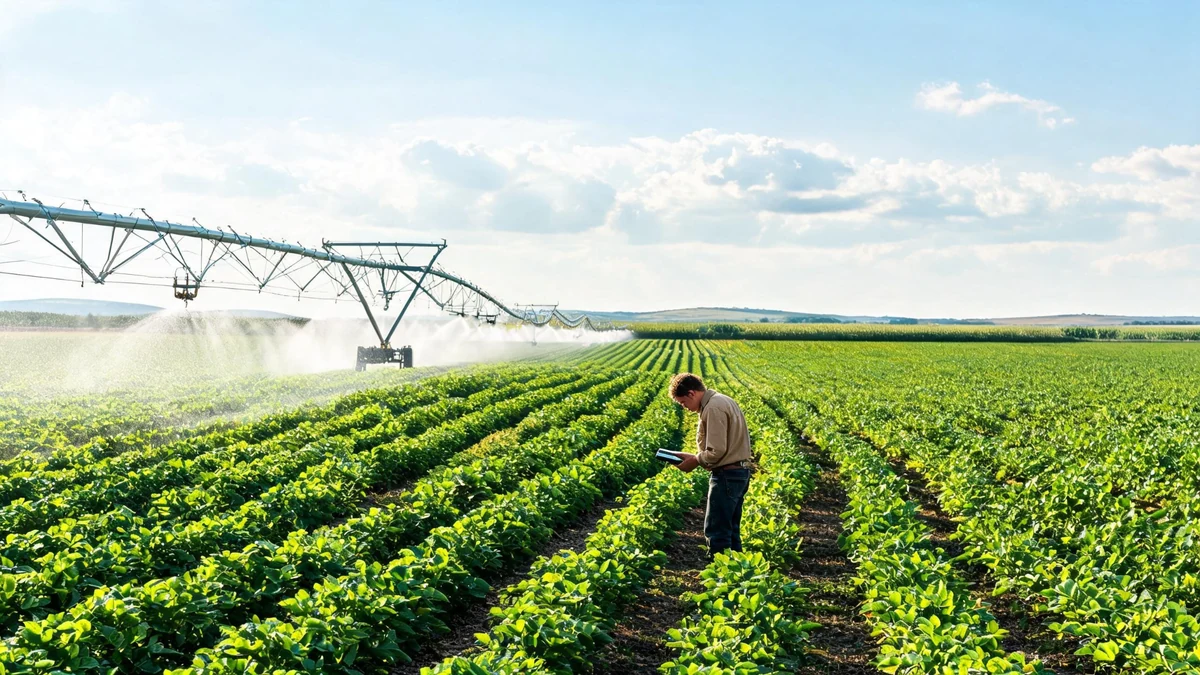
Picture this: GPS-guided machinery slicing through fields with pinpoint accuracy, drones soaring above like watchful hawks capturing aerial imagery in stunning detail, and sensors embedded deep within the earth itself—all converging to unveil insights about specific patches in need. Armed with these revelations, farmers can wield their resources wisely—optimally applying water, fertilizers, and pesticides—thereby slashing waste while simultaneously boosting yields.

But wait! There’s more than just tech wizardry at play here. Enter crop rotation and polyculture—the dynamic duo committed to nurturing soil health while fostering biodiversity. Rotate those crops each season! It's a savvy strategy designed to break pest cycles wide open while preventing the relentless depletion of nutrients from our precious soils. And then there’s polyculture—a vivid tapestry where multiple crops thrive side by side in harmonious coexistence—not only enhancing ecosystem resilience but also warding off the pitfalls associated with monoculture's narrow focus.

These sustainable maneuvers don’t merely optimize production; they forge a vibrant agricultural system resilient enough to pivot gracefully amidst shifting environmental tides. The future? It looks greener than ever before!

The Impact of Climate Change on Agriculture

Climate change unfurls a tangled web of challenges for agricultural systems across the globe. As temperatures creep upward, we witness not just shifts in growing seasons but also unpredictable crop yields and an unsettling dance of pests and diseases. Farmers find themselves grappling with increasing weather variability—think intense droughts one season followed by deluges the next—which forces them to rethink their strategies entirely. The stakes? Maintaining productivity while ensuring food security in an ever-shifting landscape.

In the face of these mounting pressures, farming communities are rising to the occasion with a burst of creativity and innovation. They’re embracing sustainable practices like crop rotation, soil conservation, and integrated pest management—all designed to bolster resilience against climate upheaval. Meanwhile, technology strides forward; precision agriculture and climate-smart farming techniques emerge as beacons of hope, optimizing resource use while minimizing environmental footprints. Adapting to this whirlwind of change is no longer optional—it’s essential for securing the future viability of our agricultural systems.

Adapting Farming Practices to New Realities

Farmers are increasingly awakening to the urgent call for a strategic overhaul as they grapple with the relentless shifts in environmental conditions. This transformation demands a rich tapestry of approaches, weaving together diverse threads like soil vitality, water scarcity, and the advent of pest-resistant crop varieties. Techniques such as crop rotation and cover cropping emerge as champions in this quest, enhancing biodiversity and fortifying soil structure—ultimately sculpting farming systems that stand resilient against nature’s whims. Through these practices, farmers not only boost their yields but also champion ecological sustainability.

Yet, climate variability looms large on the horizon, presenting formidable challenges that beckon innovative technologies and fresh practices to counteract its impacts. Enter precision agriculture—a marvel of data analytics and smart technology—that revolutionizes resource management by slicing through waste and elevating productivity to new heights. Moreover, blending agroforestry with conservation strategies into traditional farming creates protective buffers against extreme weather events while nurturing vibrant ecosystems. By embracing these groundbreaking solutions, farmers can navigate their operations more adeptly than ever before—aligning seamlessly with the dynamic currents shaping modern agriculture's landscape.

Farming Technique Benefits Challenges
Crop Rotation Enhances soil fertility and disrupts pest cycles Requires knowledge of compatible crop pairings
Cover Cropping Improves soil health and prevents erosion May require additional management efforts
Precision Agriculture Optimizes resource use and increases yield High initial investment for technology
Agroforestry Improves biodiversity and provides additional income May limit land available for traditional crops

The Economics of Modern Agriculture

The agricultural landscape has transformed dramatically, reshaped by the forces of globalization, rapid technological leaps, and ever-evolving consumer desires. Today’s farmers find themselves in a labyrinthine market where understanding both local nuances and international currents is essential. With precision farming technologies now woven into the fabric of their operations, efficiency has soared—yet so have input costs and productivity challenges. This multifaceted approach to agriculture demands that producers stay nimble and well-informed to seize emerging opportunities as they arise.

Grasping market trends isn’t just beneficial; it’s absolutely vital for making sound decisions about planting, harvesting, and selling crops. Farmers must juggle a myriad of factors—including commodity prices that can swing wildly, production costs that fluctuate like the wind, and consumer demand that shifts with surprising speed. Furthermore, as sustainability-conscious consumers gain traction in the marketplace, an additional layer complicates this intricate web: farmers are increasingly called upon to embrace environmentally friendly practices while ensuring their economic viability remains intact. These dynamics highlight just how complex modern farming has become within an economic framework that's constantly morphing at breakneck speed.

Market trends and pricing in agriculture dance to a complex rhythm, swayed by an array of influences—supply and demand fluctuations, the whims of seasonal shifts, and the broader currents of global economic tides. Farmers find themselves navigating this labyrinthine landscape, armed with knowledge that informs their decisions on crop production and marketing. Enter technology: a game-changer in agriculture's toolkit! With real-time data analysis at their fingertips, producers can peer into the future, predicting market behavior as if reading tea leaves.

Yet it's not just external forces at play; internal dynamics weave their own intricate tapestry. The ever-changing costs of production loom large over pricing strategies. Input expenses—seeds sprouting from soil, fertilizers feeding growth, equipment humming with purpose—are in constant flux, reshaping the farming financial framework. It’s a delicate balancing act for farmers: juggle those rising costs against what they hope to earn from their harvests while keeping profitability within reach.

And let’s not overlook consumer preferences! The surging appetite for organic goods and locally grown produce adds yet another layer to this already rich narrative—a tantalizing twist that can redefine how prices are set. By staying attuned to these multifaceted influences—the market’s heartbeat—they position themselves strategically amidst fierce competition in a marketplace that never sleeps.

  • Farmers must continually evaluate supply and demand dynamics to make informed decisions.
  • Seasonal changes can impact crop yields and market availability, influencing pricing strategies.
  • Technology facilitates real-time data analysis for better market predictions.
  • Rising production costs necessitate strategic planning to maintain profitability.
  • Awareness of consumer preferences is critical in shaping product offerings and pricing.
  • Staying informed on global economic trends can aid in anticipating market shifts.
  • Competitiveness requires adaptability to changing market conditions and consumer demands.

The Future of Farming

The landscape of agriculture is on the brink of a radical transformation, propelled by cutting-edge technological advancements. Picture this: precision farming—where data analytics and GPS technology converge to empower farmers in their quest for optimization. It’s not merely about planting seeds anymore; it’s an intricate dance with resources, all aimed at boosting crop yields! Enter drones and satellite imagery, those aerial sentinels that vigilantly monitor crop health, swooping in just in time for necessary interventions. As these futuristic tools become increasingly available to the everyday farmer, they hold the tantalizing promise of elevating efficiency and sustainability within farming practices.

But wait—there's more! The rising tide of sustainability isn’t just a trend; it's reshaping agriculture’s very DNA. Techniques like rotational grazing and organic farming are no longer whispers among niche circles but roaring movements as consumers rally behind eco-friendly choices. And then there’s regenerative agriculture—a beacon of hope aiming to heal our soils while slashing carbon footprints into manageable pieces. With market demand swinging heavily toward sustainable options, farmers find themselves recalibrating their strategies—not only to satisfy evolving consumer appetites but also to secure the enduring health of their enterprises for generations yet unborn.

Agriculture, that venerable cornerstone of human endeavor, finds itself at a crossroads—one paved with the gleaming stones of technological advancement. It’s not just changing; it’s transforming in riveting ways! Enter precision agriculture: no longer a mere whisper among farmers but rather a robust shout from the fields themselves. Data analytics dance alongside GPS signals and IoT devices, weaving an intricate tapestry that optimizes every heartbeat of planting, watering, and harvesting rituals.

Think about it—a world where waste shrinks like an unwelcome guest at dinner, efficiency soars toward the heavens, and yields blossom like spring flowers after winter's chill! Meanwhile, sustainability isn’t just on the radar; it’s zooming into focus! Practices such as regenerative agriculture and organic farming are blossoming—much to the delight of consumers who hold environmentally friendly products close to their hearts.

Oh, but wait—the plot thickens! Urban landscapes are sprouting vertical farms like wildflowers breaking through concrete cracks. Cities are stepping up their game for self-sufficiency—who knew limited space could be orchestrated so artfully? Transportation costs plummet while carbon footprints shrink beneath our feet. And let's not overlook biotechnology's dazzling advances paving paths for genetically modified organisms (GMOs) that stand resilient against climate whims and pestilence alike!

As we navigate these shifting tides together—our agricultural landscape morphs before our very eyes. It adapts under twin pressures: a surging global populace eager for sustenance and an urgent call for sustainable practices echoing across continents. The future is ripe with possibility—and oh what twists await us down this verdant road!

Community and Agriculture

The intricate dance between farming and local economies is nothing short of vital for the lifeblood of rural communities. Agriculture isn’t merely a source of sustenance; it acts as a powerful engine driving economic growth forward. Picture this: local farms springing to life, generating jobs, igniting demand for an array of services, and bolstering ancillary sectors like transportation and marketing that thrive on their success. When these farms flourish, the whole community feels the ripple effect—strengthened bonds emerge as producers step up to support events and initiatives that weave together cultural and social fabric.

Enter community-supported agriculture (CSA) models—a brilliant approach that bridges consumers with farmers in a vibrant exchange. These CSAs don’t just sell food; they spark awareness about local food systems, widen access to fresh produce, and champion sustainable practices in a way that's both engaging and impactful. This direct connection doesn't just boost spending on local goods—it fosters an evolving sense of stewardship among consumers who find themselves invested in the very heartbeat of their agricultural landscape. As communities rally around the importance of nurturing local farming endeavors, we witness not only resilience but also heightened economic stability blossoming throughout rural areas—an uplifting transformation indeed!

The Relationship Between Farming and Local Economies

Farming stands as a linchpin in the tapestry of local economies, casting ripples that extend far beyond the fields. It’s not just about crops; it weaves together an intricate web of employment opportunities—everything from hands-on fieldwork to the complex dance of processing and distribution. Local farms pump life into their communities' financial veins through tax revenues and by sourcing supplies from nearby enterprises, creating a vibrant cycle of economic activity. This symbiotic relationship cultivates resilience, empowering neighborhoods to flourish even when faced with daunting economic storms.

But wait—there's more! The rise of local food systems doesn’t merely promote sustainability; it champions regional agriculture in a way that's both refreshing and invigorating. Consumers are increasingly gravitating towards locally sourced products, igniting a surge in demand for homegrown goods. This movement does more than elevate the worth of local produce; it slices down transportation expenses and lightens environmental footprints like never before. As communities double down on investing in their agricultural roots, they sew tighter bonds among residents—a rich fabric woven with shared responsibility for nurturing their collective economic well-being.

Conclusion

The realm of contemporary agriculture is in a perpetual state of metamorphosis, propelled by groundbreaking technological advancements, a deepening grasp of environmental intricacies, and the relentless push-and-pull of market dynamics. These shifts demand that farmers and stakeholders adopt an anticipatory stance—navigating fluctuating landscapes while striving to enhance both productivity and sustainability. It’s imperative to not only embrace cutting-edge crop management techniques but also to grapple with the profound implications of climate change for enduring success.

As farming stands as a pillar in local and global economies alike, the intricate tapestry woven between agricultural practices and community welfare becomes increasingly vivid. Sustainable farming transcends mere responses to immediate food security challenges; it cultivates economic robustness too. A unified endeavor to harmonize agricultural methods with the needs of communities can unlock pathways toward a future that is not just equitable but brimming with prosperity within the agricultural domain.

FAQs

What are crop management strategies in modern agriculture?

Ah, the intricate tapestry of crop management strategies in today’s agricultural landscape! These multifaceted techniques and practices dance together to enhance both yield and quality. Picture soil management as the nurturing bedrock, pest and disease control as vigilant guardians, while crop rotation adds a refreshing twist to cultivation. And let’s not forget the dazzling role of technology—precision farming swoops in like a high-tech superhero, meticulously monitoring every nuance of crop health and resource consumption. **

How does climate change affect agriculture?

Climate change—a formidable force reshaping our agricultural realms! It twists weather patterns into unpredictable knots, siphons away precious water resources, and cranks up the dial on extreme weather phenomena. Farmers find themselves grappling with an ever-changing battlefield—droughts that scorch their fields, floods that turn fertile land into rivers of despair, and growing seasons that seem to shift like quicksand beneath their feet—all posing significant threats to yields and food security. **

What role do economics play in modern agriculture?

Economics—the unseen hand guiding contemporary agriculture with its palpable influence over market trends, pricing structures, and profitability dynamics! Grasping these economic currents empowers farmers; they navigate through choices about what crops to cultivate or which technologies to invest in with newfound clarity. This understanding is pivotal—not just for immediate gains but also for fostering sustainability and sharpening competitiveness amid market tides. **

The horizon brims with exciting emerging trends poised to redefine farming's future! Think sustainable practices taking center stage alongside cutting-edge technology—artificial intelligence weaving its magic alongside machine learning innovations. Vertical farming rises upward from traditional methods while organic approaches gain momentum among conscientious consumers craving healthier fare. All these shifts aim harmoniously at amplifying productivity whilst addressing pressing environmental concerns! **

How does agriculture contribute to local economies?

Agriculture stands as a cornerstone propping up local economies—it crafts job opportunities like an artisan shaping clay; it feeds local businesses by creating demand; it generates income through vibrant sales of agricultural bounty. Beyond mere dollars-and-cents transactions lies community engagement—a heartbeat connecting people—and bolstering food security too! Thusly woven into this rich narrative is agriculture’s vital role as a pillar supporting stability and development within rural landscapes.