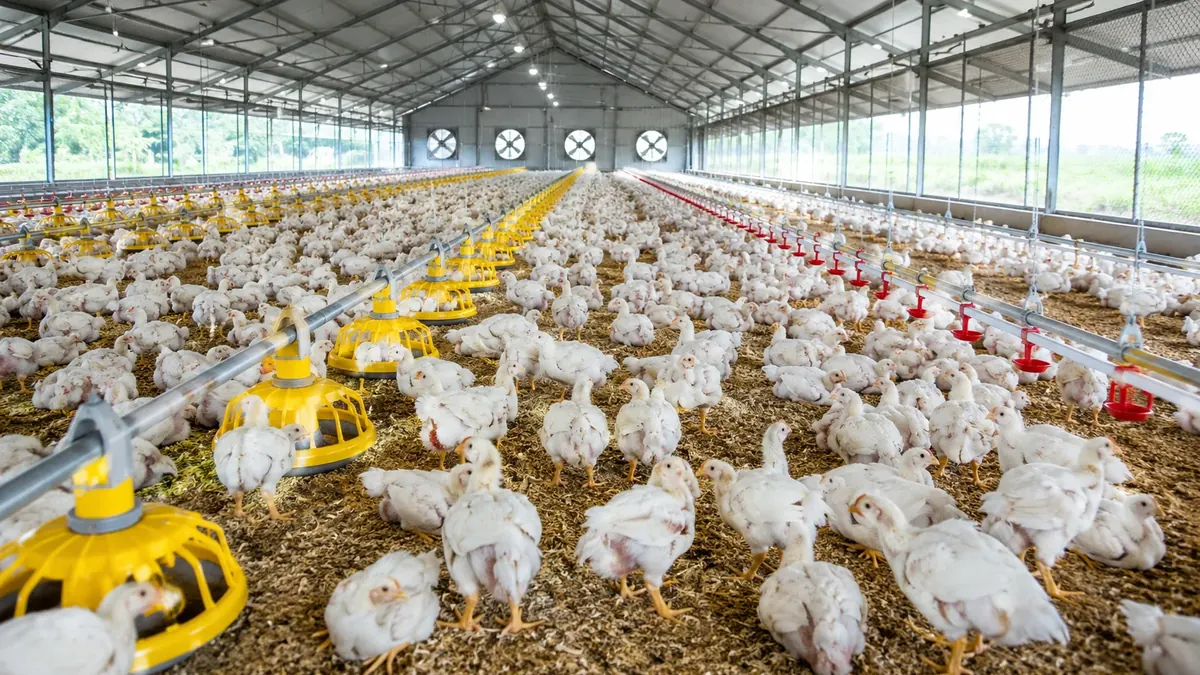
Key Takeaways
- Proper oversight of water standards is crucial for flock well-being.
- Eco-friendly disposal methods contribute to a healthier farming environment.
- Observing flock actions helps in identifying health and comfort issues.
- Innovative tools enhance productivity and care in poultry farming.
Effective Management of Water Quality
Water sources that sparkle with purity are absolutely crucial for the well-being of livestock and the productivity of farms—no doubt about it. When farmers make it a priority to manage water quality effectively, they can sidestep a multitude of health dilemmas that could spring forth from tainted water. Regular testing and treatment dance in harmony, ensuring flocks quench their thirst with nothing but the finest hydration, which subsequently fuels their growth and enhances performance like never before. Moreover, dependable access to pristine water can dramatically curtail disease outbreaks—talk about saving time and cash in the long haul!
Establishing robust protocols for maintaining these vital water systems is not just important; it's imperative! This involves vigilant monitoring for pesky contaminants while making sure filtration systems hum along smoothly. Farmers ought to take into account how their water supply is laid out—nobody wants stagnant pools lurking around causing chaos! Tapping into expert knowledge or leveraging valuable resources can yield insights that transform challenges into opportunities for improvement. By placing a spotlight on water quality management, we foster a healthier environment for our feathered friends and pave the way toward sustainable farming practices that stand the test of time.
Importance of Clean Water Sources
Access to clean water is absolutely vital—not just for us humans, but for our animal companions as well. It goes beyond mere availability; it’s about securing that precious liquid without harmful contaminants lurking within. For farmers, the stakes are high: providing pristine drinking water to livestock, particularly broilers, can make or break their health and growth trajectories. The quality of water doesn’t just touch on the surface—it ripples through everything from feed conversion ratios to how susceptible these animals are to diseases. Thus, ensuring a fresh and safe supply becomes not merely important but paramount.
Moreover, tapping into clean water sources fosters sustainable farming practices—a win-win situation! By minimizing the risk of waterborne illnesses that could jeopardize both animals and surrounding ecosystems alike, farmers create an environment where productivity flourishes. Clean water nurtures not only healthier livestock but also instills confidence in consumers who crave assurance that their food springs from wholesome origins. In essence: better water translates to better animals—an idea everyone can rally behind with enthusiasm!
Sustainable Waste Management
Managing waste on farms resembles an intricate puzzle that constantly shifts and morphs. In the realm of agriculture, the quest for reusing materials serves a dual purpose: it not only keeps environmental chaos at bay but also amplifies productivity in delightful ways. Farmers are unleashing their creativity with innovative tactics like composting, which does more than just slash waste—it rejuvenates the very soil beneath our feet. When executed with finesse, these sustainable methods can forge a closed-loop system that nurtures both the farm and Mother Earth.
One especially fascinating facet of sustainable waste management is the recycling of manure. Rather than viewing it as an unpleasant nuisance, farmers are transforming this seemingly odorous dilemma into liquid gold. By repurposing manure as fertilizer, they’re slashing chemical inputs while simultaneously boosting soil vitality. This practice doesn’t just keep budgets intact; it elevates crop yields to new heights! And let’s not forget—it's an environmental victory too! After all, why squander such a valuable resource when it has the potential to supercharge your farming endeavors?
Recycling Manure for Farm Benefits
Transforming manure into a valuable resource can yield remarkable advantages for farms. Rather than allowing it to accumulate in unsightly heaps, an increasing number of farmers are opting to recycle this organic byproduct into nutrient-dense compost. This strategy not only minimizes waste but simultaneously enriches the soil, fostering healthier and more robust crops. It’s a delightful win-win scenario: farms slash their fertilizer expenses while simultaneously boosting the quality of their harvests.
But that's just scratching the surface! Beyond enhancing soil health, repurposing manure can significantly streamline farm operations. Picture this: farmers creating a closed-loop system where waste morphs into a precious asset—turning what was once considered refuse into something truly beneficial. Embracing this innovative practice not only diminishes the overall environmental footprint but also champions sustainability in agriculture. And let’s not forget—the ripple effects support local ecosystems and pave the way for farming to thrive for generations ahead!
Monitoring Flock Behavior
Keeping a watchful eye on your flock’s antics is absolutely vital for their well-being. You see, healthy birds—those lively little creatures—tend to be bustling with energy and socializing like there's no tomorrow. But hold on! If you catch sight of some of your broilers lagging behind or shying away from the usual feathered frolics, it may just be time to dig a bit deeper. Stress can manifest in sneaky ways: perhaps they’re picking at their food less than normal or there’s a curious shuffle in their pecking order that raises an eyebrow. Spotting these subtle signs early? Oh, that's key—it allows you to tackle any lurking issues before they spiral out of control.
Now, let’s talk about establishing a routine for keeping tabs on those feathery friends; this could truly turn the tide. Employing certain techniques—like jotting down feeding habits or measuring how much they interact with one another—can yield insights galore! And don’t overlook the significance of consistency in their surroundings; shifts in light or unexpected noises might rattle them far more than you'd suspect. By tuning into these behaviors and nuances, you're not just observing; you’re gearing up to cultivate a flock that’s both happier and healthier overall.
Recognizing Signs of Stress in Broilers
Stress has a sneaky way of infiltrating a flock, often arriving unannounced and leaving chaos in its wake. It’s crucial to be vigilant for those unmistakable signals that something's amiss. Keep your eyes peeled for behavioral shifts—perhaps the notorious feather pecking rears its ugly head, or you might witness an uptick in aggression among the birds. A sudden lull in their usual activity? That's an alarming red flag waving just for you! If broilers are unusually hushed or clumping together like they’re hatching some secret plan, take note; it could spell trouble ahead. Struggling to eat or drink? That’s another ominous sign that all is not well.
But wait, there's more! The physical clues can be equally revealing about their state of health. Observe their posture—stressed-out birds tend to droop with heads bowed low and wings splayed out awkwardly as if carrying the weight of the world on them. And don’t overlook what’s happening behind them: changes in droppings—unexpected colors or odd textures—can signal serious underlying issues brewing beneath the surface. Keeping tabs on these symptoms isn’t just important; it’s paramount when striving for a flourishing flock! The sooner you catch that stress creeping in, the greater your chances of nipping any problems in the bud and steering those broilers back toward wellness once again.
| Sign of Stress | Description | Possible Causes |
|---|---|---|
| Feather Pecking | Increased pecking at each other's feathers, leading to bald patches and stress. | Crowding, boredom, insufficient space. |
| Increased Aggression | More fighting and aggressive behavior observed in the flock. | High stocking density, social hierarchy disruptions. |
| Reduced Activity | Birds show less interest in moving around or foraging. | Illness, lack of stimulation, environmental stressors. |
| Poor Posture | Broilers appear droopy with wings hanging down or heads lowered. | Nutritional deficiencies, heat stress, disease. |
| Changes in Droppings | Unusual colors or consistencies in droppings can indicate health issues. | Dietary issues, infections, stress responses. |
Technology in Broiler Farming
In the whirlwind of today's agricultural landscape, smart farming tools are revolutionizing the realm for broiler farmers. Picture this: automated feeding systems and nifty temperature and humidity sensors weaving a tapestry of efficiency across operations. With real-time data tracking at their fingertips, farmers can now navigate the complexities of flock care with newfound ease—goodbye to the days of guesswork! Just a quick glance at your smartphone reveals all you need.
But wait, there's more! This technological leap doesn’t merely save precious time; it catapults overall flock health into new heights. By vigilantly monitoring environmental conditions, farmers can craft perfect living spaces for their feathered charges. And let’s not overlook drones—those flying marvels that swoop in on larger farms, conducting swift assessments without requiring one to traverse every inch on foot. The sheer convenience and razor-sharp efficiency embedded in these advancements have the potential to supercharge both productivity and profitability like never before!
Utilizing Smart Farming Tools
In the whirlwind of today’s agricultural landscape, farming is morphing into a tech-savvy marvel. Picture this: smart farming tools are not just enhancing but utterly transforming how farmers orchestrate their operations—from monitoring crops with surgical precision to attending to livestock like never before. Drones buzz overhead while sensors silently scrutinize plant health and water levels, ensuring no detail slips through the cracks. Meanwhile, automated feeding systems spring into action so that livestock dine punctually—no more late meals in the barn! By weaving these advanced technologies into their daily routines, farmers are empowered to make data-driven decisions that amplify productivity and slash waste.
But wait, there’s more! With these smart tools comes a gateway to the cloud—a realm where vital information is at your fingertips 24/7. Imagine mobile apps granting instant access to equipment status and environmental conditions; it’s like having an all-seeing eye on your farm! This level of connectivity fosters a proactive approach rather than merely reacting when trouble strikes. Embracing such innovations isn’t solely about ease or luxury; it heralds a new era where farming becomes not only more sustainable but also incredibly efficient—yielding benefits for both those who toil the land and Mother Earth herself.
- Farmers can remotely monitor soil moisture and nutrient levels to optimize irrigation and fertilization.
- Drones help in aerial surveying, crop health assessments, and even planting seeds in hard-to-reach areas.
- Livestock management apps track animal health and behavior, enhancing care and productivity.
- Precision agriculture technology allows for targeted spraying of pesticides and fertilizers, reducing chemical use.
- Cloud-based systems enable real-time data analysis and reporting, leading to better crop management decisions.
- Smart tractors and machinery can operate autonomously, improving efficiency and freeing up time for farmers.
- The integration of IoT devices creates an interconnected farming ecosystem that enhances overall farm performance.
Conclusion
Tackling water quality isn't just a minor detail; it’s absolutely vital for the health of both the farm and its livestock. The significance of pristine water sources cannot be overstated—they’re pivotal to the overall productivity and well-being of broilers. Embracing sustainable practices doesn’t merely elevate water quality; it sets off a cascade of better farming outcomes, resulting in happier chickens and, ultimately, a thriving operation.
Now, let’s dive into the fascinating realm where technology meets broiler farming—a veritable treasure trove of possibilities! By harnessing smart farming tools, farmers can monitor their flocks with remarkable efficiency. This means that any hint of stress among those feathery friends can be spotted and addressed before it spirals out of control. With vigilant observation of flock behavior and an arsenal of innovative solutions at their fingertips, farmers have the power to cultivate an environment where productivity soars while ensuring animal welfare takes center stage.
FAQs
Why is water quality important in broiler farming?
Ah, the essence of life—clean water! It's not just a necessity; it's the very foundation upon which the health, growth, and productivity of broilers hinge. Contaminated sources can spell disaster, ushering in diseases that wreak havoc on flock performance.
How can I ensure my water sources are clean?
The key lies in diligence! Regular testing and meticulous maintenance of your water sources are paramount. Employing filtration systems and committing to routine cleaning of containers will elevate your water quality to stellar levels.
What are some sustainable methods for managing waste on a broiler farm?
Ah, behold the beauty of recycling manure—a brilliant approach indeed! Transforming waste into fertilizer for crops not only minimizes refuse but also enriches your farm's soil health like nothing else.
How can I tell if my broilers are stressed?
Keep those observant eyes peeled! Watch for behavioral shifts—things like spikes in aggression, diminished feeding habits, or huddling together as if seeking comfort. By closely monitoring their behavior, you’ll be able to catch those subtle signs of stress before they escalate.
What types of technology can I use to improve my broiler farming practices?
Step into the future with smart farming tools at your fingertips! Automated feeders, climate control systems, and cutting-edge health monitoring apps serve as invaluable allies in boosting efficiency while ensuring you’re always attuned to your flock’s wellbeing.
