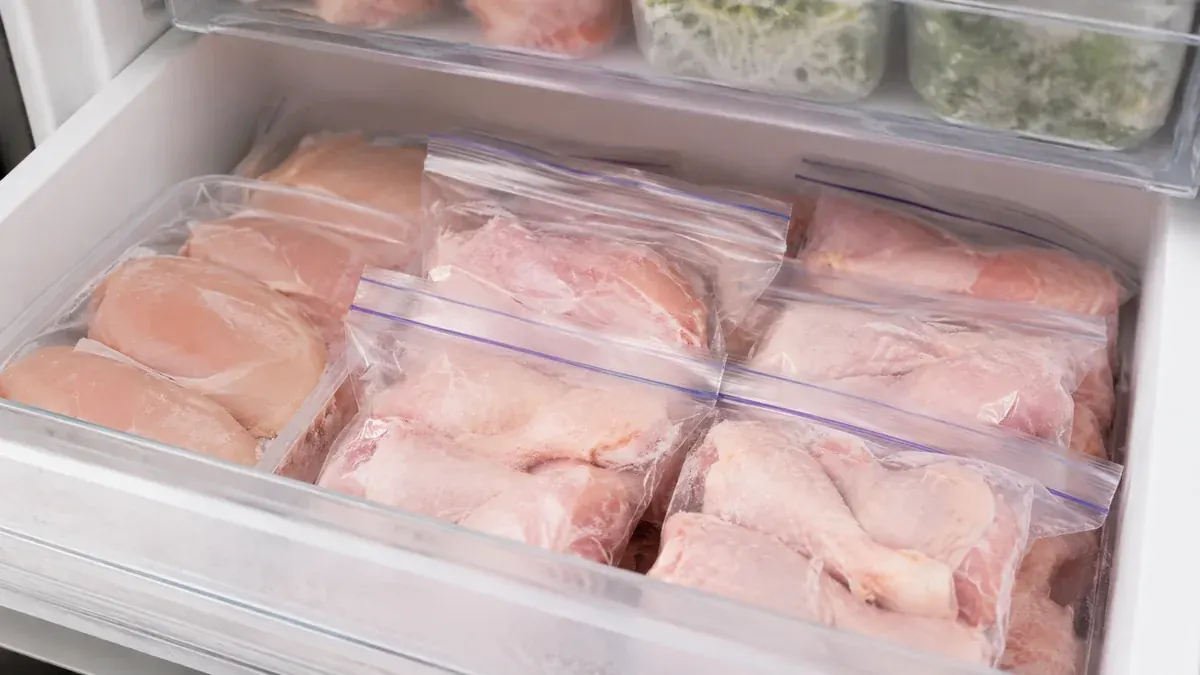
How to Store Frozen Chicken Safely at Home

Key Takeaways

  • Properly marking and dating your poultry is essential for organization.
  • Safe methods for defrosting your chicken can prevent bacteria growth.
  • Understanding the safety of re-freezing your chicken is crucial for quality.
  • Recognizing indicators of freezer damage helps maintain the freshness of your meat.

Labeling and Dating Your Chicken

Keeping tabs on when you purchased or cooked your chicken can save you a mountain of hassle down the line. It’s remarkably simple to slap a label onto the packaging or grab a permanent marker and scrawl the date right there. This way, you sidestep that frustrating guessing game every time you rummage through your freezer, hunting for that elusive pack of chicken buried beneath other treasures.

Date labels are also your best friends in spotting what needs to be used up first. If you're balancing an array of chicken varieties—breasts, thighs, leftovers—it might be wise to implement a color-coding system or just jot down which cuts you've got stashed away. A smidge of organization can work wonders in curbing food waste while keeping your meals fresh and safe!

Importance of Tracking Storage Time

Understanding the duration your chicken has been tucked away in the freezer is absolutely essential for preserving both its exquisite flavor and your health. Just like any other food item that can spoil, chicken doesn't age gracefully; it deteriorates over time. Keeping tabs on how long it's been stored allows you to dodge the nasty surprise of consuming spoiled meat—a significant contributor to those dreaded foodborne illnesses. So, take a moment to label each package with its storage date—this little act keeps everything neat and ensures freshness reigns supreme in your frozen realm.

And let’s not forget about the sheer bliss of meal prep when you're organized! Nobody relishes the thought of sifting through a chaotic freezer, desperately searching for that elusive mystery bag that’s been hiding out for who-knows-how-long. By monitoring how long each piece of chicken has languished in cold storage, you can strategize meals with confidence, sidestepping any culinary letdowns along the way. Not only does this savvy approach help cut down on waste—and yes, save those precious dollars—but it also transforms dinner planning into an effortless delight! It's truly a win-win all around!

Thawing Chicken Safely

So, you’ve got that frozen chicken waiting to be transformed into a delicious meal—awesome! But hold on; before you dive in, let’s chat about the all-important thawing process because safety in the kitchen is no joke. One of the most reliable methods? Pop that bird in the fridge for several hours or even overnight. This handy trick ensures your meat stays at a safe temperature while it slowly defrosts, giving pesky bacteria zero opportunity to throw a party. And hey, it's practically effortless—you just set it and forget it as you carry on with your day!

Now, if time isn’t exactly on your side and you're feeling the crunch, there’s another option: the cold water method! Grab yourself a leak-proof bag (seriously, don’t skip this part) and immerse that chicken in cold water. Just make sure to swap out the water every 30 minutes to keep things chilly and moving along faster than molasses in January. But here’s a crucial reminder: once it's thawed, get cooking right away! Keeping food safety front and center can truly elevate your dining experience from worry-laden to utterly enjoyable—dig in without hesitation!

Ah, the art of thawing chicken! One of the finest strategies? Letting it gently slumber in your refrigerator overnight. This delightful method not only maintains a safe temperature—warding off those pesky bacteria—but also requires minimal effort on your part. Just toss that bird onto a plate and let it chill out until you’re ready to whip up something delicious. It’s an absolute lifesaver for those hectic weeknights when planning ahead feels like a must.

Now, if time isn't exactly on your side, fear not! Enter the cold water thawing technique—a trusty alternative in a pinch. Seal your chicken snugly in a plastic bag and immerse it in a bowl filled with cold water. Ah, but here’s the catch: remember to swap out that water every half hour to keep things frosty. This nifty trick can drastically shorten your thawing timeline while keeping everything food-safe and sound. Just be vigilant; once you've employed this speedy method, cook that chicken right away—room temperature isn’t its friend for long!

Re-Freezing Chicken

Ah, the age-old question of re-freezing chicken—a culinary conundrum that leaves many scratching their heads. So, let’s unravel this poultry puzzle! Here’s the scoop: yes, you can indeed freeze chicken again—provided it was thawed in the refrigerator. This little trick helps keep pesky bacteria at bay and ensures your bird remains safe for future feasts. However, if that chicken has been lounging around at room temperature or taking a leisurely dip in warm water? Well, my friend, it's best to whip it up into a meal straight away rather than sending it back to its icy slumber.

And here’s another morsel of wisdom: consider how the chicken was treated during its initial thawing phase. If you've got a piece that was lovingly thawed, then cooked to perfection before being frozen once more—congratulations! You’re good to go. Just remember to give it a sniff and check its texture before stashing it back in the freezer; after all, quality reigns supreme when dealing with your beloved poultry. It’s about preserving that mouthwatering flavor we all adore!

Guidelines for Re-Freezing Chicken

So, you’re contemplating the idea of re-freezing chicken? Well, hold onto your apron because there are some crucial nuggets of wisdom to chew on. First and foremost, only consider refreezing chicken that has been thawed in the refrigerator—never at room temperature! Keeping it cool in the fridge is like giving bacteria a cold shoulder; it helps keep their growth in check. If your thawing escapade involved quick methods like cold water or zapping it in the microwave, then it's time to fire up that stove instead of returning it to its frosty home.

Now here's another juicy tidbit: keep tabs on how long that poultry has been lounging around in your fridge before you think about sending it back into freeze-land. If it's overstayed its welcome for more than a couple of days, cooking is definitely the safer bet rather than risking freezer burn hell. And don’t forget—wrap that chicken snugly in airtight packaging! This little step will help preserve its quality for when you're ready to whip up something delicious later on.

Guideline Description Notes
Thawing Method Only refreeze chicken that has been thawed in the refrigerator. Do not refreeze if thawed at room temperature.
Time in Fridge Cook chicken if it has been in the fridge for more than 2 days. Avoid re-freezing to maintain quality.
Airtight Packaging Wrap chicken snugly in airtight packaging before freezing. Prevents freezer burn and maintains flavor.
Cooking Recommendation If unsure about chicken quality, it’s safer to cook before refreezing. Better safe than sorry!

Signs of Freezer Burn

When you reach into the freezer for that chicken, the last thing you want to unearth is the dreaded freezer burn. Ah, this pesky little thief of flavor can derail your dinner ambitions before they even take flight! You might spot some bizarre dry patches or an unsettling whitish film clinging to the meat—those are not just cosmetic issues; they scream that air has infiltrated your precious poultry. This unwelcome intrusion often leads to a texture that resembles cardboard and a taste that’s anything but appetizing. In short, freezer burn signals a sad truth: your chicken has overstayed its welcome in cold storage and won’t deliver the juicy satisfaction you’ve been dreaming about.

Staying vigilant for these telltale signs is essential, especially if you're one of those meal-prepping enthusiasts. Once those indicators pop up, it's wise to part ways with any affected pieces—better safe than sorry! And don’t forget about scents; when you crack open that package, be prepared for potential olfactory surprises. Fresh chicken should greet you with a subtle aroma—not an overpowering or sour stench which screams “danger!” By tuning into these clues, you'll safeguard both the deliciousness of your meals and their safety on your plate.

How to Identify and Prevent Freezer Burn

Ah, freezer burn—the culinary nemesis that can swiftly sabotage your chicken's once-pristine quality, transforming it into a desiccated shadow of its former self. A veritable disaster for the palate! Keep an eye out for those telltale signs: icy patches resembling frost-laden landscapes, discoloration hinting at ancient artifacts rather than fresh poultry, and a texture that's more akin to leather than tender meat. These ominous changes scream that your chicken has been unceremoniously exposed to air in the depths of the freezer—a cruel thief stealing moisture away.

But fear not! You can wage war against this insidious foe with just a few straightforward tactics. First and foremost, ensconce your chicken in snugly sealed freezer-safe bags or containers—squeeze out every last bit of air before sealing them tight like a treasure chest guarding precious loot. And if you have access to vacuum sealing? Oh, what joy! That’s like wrapping your poultry in an impenetrable fortress against the elements. Don’t forget the power of labeling and dating; it’s your trusty compass guiding you through frozen realms—ensuring you use up those delicious morsels before they fall victim to the relentless advance of freezer burn!

  • Regularly check your freezer temperature; it should be at 0°F (-18°C) or lower.
  • Store similar items together to maintain consistent temperatures around your food.
  • Avoid overloading the freezer, as it can hinder air circulation and lead to uneven freezing.
  • Use parchment paper or freezer wrap for added protection on meats before placing them in bags.
  • Rotate your food regularly, using the "first in, first out" method to consume older items first.
  • Maintain a clean freezer to prevent old spills or ice buildup that can contribute to freezer burn.

Conclusion

Keeping tabs on how long your chicken has been lounging in the freezer is vital if you want to keep it fresh and safe. By slapping a label and date on that poultry, you’re setting yourself up for success—easily tracking its storage timeline while steering clear of those pesky foodborne illnesses lurking around. Oh, and let’s not forget the thawing methods; following them like a roadmap ensures your chicken stays good to go! Plus, knowing the ins and outs of re-freezing can ease any nagging worries about quality slipping away.

Ah, but wait—there’s more! Freezer burn looms large as another foe in this chilly battle. Recognizing those telltale signs of freezer burn could save you from culinary heartache when it’s time to whip up dinner. Simple steps can thwart this foe: think airtight packaging as your secret weapon against unpleasant surprises down the line. In the grand scheme of things, being attentive to these practices doesn’t just matter—it transforms your cooking escapades into something truly delightful!

FAQs

How long can I keep frozen chicken in the freezer?

Typically, you can stash frozen chicken away in your freezer for up to a year! Yet, if you're aiming for peak quality—oh, that juicy deliciousness—you'd do well to whip it out within six months.

What's the best way to label my frozen chicken?

Grab a trusty permanent marker or some of those nifty freezer-safe labels and jot down the date and type of chicken right on the packaging. This little ritual keeps you savvy about how long your poultry has been hanging out in cold storage.

Can I thaw chicken at room temperature?

Ah, here’s where caution should reign supreme! Thawing chicken at room temperature is a no-go; it's like rolling out the red carpet for bacterial growth. Instead, opt for safer methods—the fridge is your friend, or perhaps cold water or even a microwave could come to your rescue.

Is it safe to refreeze chicken after it's been thawed?

Indeed! You can refreeze that thawed chicken—but only if it was lovingly defrosted in the refrigerator. If you've used cold water or zapped it with microwaves to bring it back from its icy slumber, make sure you cook it before tossing it back into the freeze!

What does freezer burn look like on chicken?

Picture this—grayish-brown patches creeping across your once-pristine piece of poultry—that's freezer burn making itself known. It may render your bird dry and tough as old leather. Sure, it's still safe to chow down on chicken with these unsightly marks, but let’s be honest—it won't win any flavor awards. Best bet? Wrap that chick tightly before tucking her into her chilly home!