Food, Farming & Agriculture JournalEN / ID
The Micro Harvest
The Micro Harvest Blog
Food, Farming & Agriculture Journal
Commodities

How Moisture Control Protects Agricultural Commodities During Storage

Discover how effective moisture control plays a crucial role in safeguarding agricultural commodities during storage. This blog post explores innovative...

Updated 31 May 2026The Micro Harvest Team10–12 min read
How Moisture Control Protects Agricultural Commodities During Storage

Key Takeaways

  • Implementation of Innovation in Humidity Regulation
  • Impact of Moisture Levels in Preservation Conditions
  • Recommended Strategies for Agricultural Producers
  • Guidelines and Norms for Humidity Regulation
  • Enduring Advantages of Moisture Oversight

Use of Technology in Moisture Control

The fusion of cutting-edge technology into moisture management has dramatically reshaped the landscape of agricultural storage. humidity sensors and automated monitoring systems at work, empowering farmers to uphold perfect storage conditions like never before! These ingenious gadgets churn out real-time data—an invaluable treasure trove that guides decision-making on ventilation and drying processes with precision.

But wait, there’s more! Enter predictive analytics, fueled by sophisticated machine learning algorithms that elevate our capacity to predict moisture-related calamities. It’s almost like having a crystal ball that allows for proactive interventions long before any damage can rear its ugly head!

Moreover, contemporary storage facilities have taken things a step further with avant-garde climate control systems. These marvels automatically adjust in response to the whims of external weather patterns. They don’t just tackle humidity; they deftly manage temperature swings too—crafting an unwavering environment that wards off spoilage and preserves crop integrity.

This delightful amalgamation of technologies doesn’t merely enhance efficiency—it champions sustainability as well, slashing waste while elevating the quality of stored goods to new heights!

Innovations in Agricultural Storage

In recent times, the realm of agricultural storage has undergone a remarkable metamorphosis, thanks to cutting-edge technologies that redefine preservation methods. Enter smart storage systems—those savvy contraptions adorned with sensors and intricately woven into the fabric of IoT technology. They don’t just monitor; they vigilantly oversee the ever-shifting parameters of temperature and humidity in real-time. This digital watchfulness empowers farmers to leap into action, tweaking ambient conditions on-the-fly, thereby crafting an optimal haven for their diverse crops.

The narrative doesn’t end there. A rising star in this saga is none other than airtight storage containers—gaining momentum like wildfire across the industry. These ingenious vessels minimize oxygen exposure with deft precision, slashing spoilage rates and thwarting pesky infestations before they can wreak havoc. And let’s not overlook modified atmosphere storage techniques! By artfully regulating gas concentrations within these containers, farmers are unlocking astonishing extensions on shelf life—a veritable game changer!

Moreover, a palpable shift towards sustainability permeates this landscape as well; eco-friendly materials are being harnessed to forge innovative storage solutions that not only adhere to environmental standards but also safeguard the integrity of agricultural products themselves. It's a fascinating tapestry woven from innovation and responsibility—a testament to what modern agriculture can achieve when ingenuity meets necessity!

Role of Humidity in Storage Environments

Humidity—an often-overlooked player in the vast arena of agricultural storage—holds immense sway over both the quality and longevity of our precious harvests. excess moisture lurking like an unwelcome guest, inviting mold and mildew to waltz through your grains, fruits, and veggies. The result? A double whammy that not only jeopardizes safety but also sends marketability plummeting! On the flip side, let’s talk about low humidity—a sneaky villain that can suck the life out of produce, leaving it desiccated and dull in texture and flavor. Thus arises a pressing need for meticulous control; optimal humidity levels are not just desirable—they're essential for safeguarding those stored goods.

Now enter the world of specific humidity requirements—the secret code necessary for mastering effective storage management. Each crop comes with its own personality when it comes to moisture tolerance; grains may be stoic while fruits demand more attention than a prima donna on stage. It falls upon farmers and storage facility managers alike to keep a vigilant eye on these fluctuating levels, crafting environments where quality thrives rather than merely survives. With advanced monitoring systems at their disposal, they can deftly maintain these crucial conditions—ensuring that every commodity remains safe and shines with high quality throughout its journey from farm to table!

Understanding Humidity Levels

the intricate dance of humidity in storage spaces—its influence on the quality and lifespan of agricultural treasures cannot be overstated! It's a delicate balancing act; understanding these moisture levels is paramount to curtailing spoilage, staving off mold invasions, and thwarting pesky pests. Each type of commodity wields its own unique moisture threshold that demands vigilant attention. Take grains, for example—these little gems thrive best with a moisture content snugly nestled between 12% and 14%, lest they fall victim to deterioration.

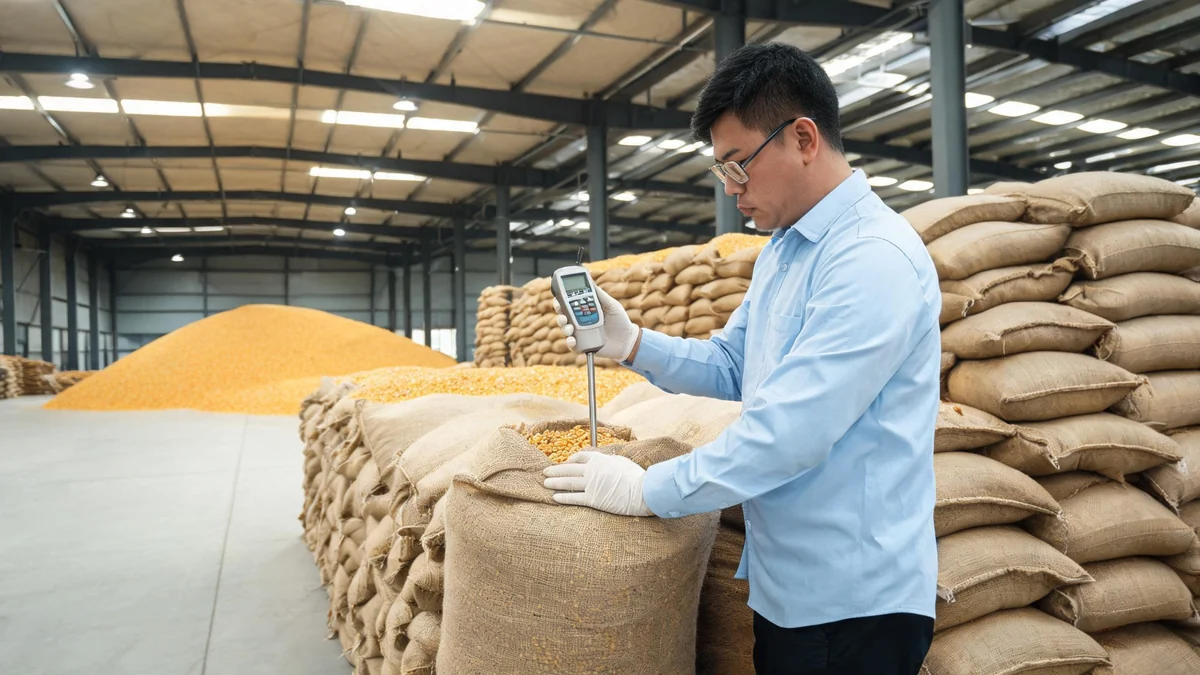
Enter the realm of monitoring gadgets like hygrometers and moisture meters—farmers' trusty allies providing real-time insights into humidity fluctuations. With such tools at their fingertips, adjustments can be made with finesse: perfecting air circulation while keeping temperature under control. But it's not just about preserving those precious crops; regular humidity assessments pave the way for better inventory management and slashing waste to bits! By embracing these savvy practices, we cultivate not just crops but also a robust agricultural supply chain capable of weathering any storm.

Commodity Optimal Moisture Content (%) Potential Spoilage Risks
Grains 12% - 14% Mold growth, insect infestation
Nuts 5% - 7% Rancidity, fungal development
Dried Fruits 15% - 20% Mold, quality degradation
Seeds 6% - 10% Loss of viability, diseases

Best Practices for Farmers

Farmers ought to make it a priority—no, an urgent mission—to keep a close eye on the moisture levels lurking within their stored agricultural treasures. Armed with hygrometers and moisture meters, they can unlock precise readings that pave the way for timely interventions. Adjusting ventilation systems based on these insights is crucial—it’s all about ensuring air circulates like a well-oiled machine! This vigilant practice curbs the insidious threats of mold and decay, safeguarding quality during those critical storage moments.

But wait, there’s more! Embracing sound storage techniques amplifies moisture control's efficacy. Farmers need to scrutinize their storage facilities meticulously—any leaks or structural flaws could invite unwelcome humidity guests. Choosing breathable materials for storage? Absolutely essential for keeping moisture at bay! And let’s not forget: implementing a rotation system is like giving freshness a fighting chance while simultaneously slashing spoilage risks. It ensures that commodities stay in prime condition until they’re ready to dazzle customers at market time!

Storage Systems and Techniques

the intricate dance of effective storage systems—a crucial player in the delicate ballet of moisture control for agricultural treasures. silos and bins standing tall, alongside refrigerated sanctuaries, all meticulously engineered to tame environmental conditions and curb those pesky humidity fluctuations that threaten to wreak havoc.

Imagine materials specifically chosen for their steadfast resistance against moisture's relentless advance, preserving the very integrity of what’s been harvested. And let's not overlook the vital role of airflow systems—those unsung heroes working tirelessly to prevent moisture from settling like an unwelcome guest, crafting a harmonious internal atmosphere that champions longevity.

Now consider the arsenal of techniques at one’s disposal! Regular monitoring—yes indeed—the vigilant tracking of humidity levels and temperature is paramount for safeguarding stored goods. Enter on-site moisture meters, beacons of real-time data illuminating farmers’ paths as they navigate ventilation decisions and other necessary tweaks. When paired with robust sealing and insulation strategies for storage structures? We’re talking about a substantial reduction in spoilage risk.

Embracing these practices doesn’t merely shield crops from danger; it elevates yields while bolstering profitability for those industrious agricultural producers out there navigating this ever-evolving landscape.

Regulations and Standards for Moisture Control

Regulatory frameworks crafted by governmental entities are instrumental in maintaining moisture levels within the stored bounty of agricultural goods, ensuring they don’t spiral into unacceptable ranges. These regulations aren’t just bureaucratic red tape; they're vital shields against spoilage and contamination—two foes with consequences that ripple through food safety and quality like waves on water. Regular inspections and certifications? Oh yes, those are often required to ensure compliance with these critical guidelines, making certain that storage facilities play by the rules when it comes to humidity standards.

But let’s not overlook industry standards—they’re the unsung heroes guiding farmers toward best practices for moisture management during storage. These guidelines adapt and shift as technology leaps forward and new research emerges, arming farmers with up-to-date intel on ideal moisture levels tailored for a variety of crops. In sticking to these regulations and standards, farmers not only safeguard their harvests but also bolster the very fabric of the agricultural supply chain itself—a tapestry woven from care, diligence, and an unwavering commitment to quality.

Compliance and Guidelines

Navigating the intricate web of established regulations is absolutely vital for achieving and sustaining ideal moisture levels in stored agricultural commodities. The guidelines laid out by various agricultural authorities and organizations serve as a blueprint, guiding the assessment and control of humidity within storage environments. These regulations often mandate regular monitoring—an ongoing vigilance that ensures moisture levels remain within specified thresholds, thereby staving off spoilage and financial loss. Ignoring these directives not only jeopardizes the integrity of stored products but also opens the door to economic repercussions and diminished market access.

Farmers and operators of storage facilities must dive deep into both local and federal regulations surrounding moisture management. Fortunately, a wealth of training resources exists to equip these stakeholders with a clear understanding of their responsibilities. Meticulous documentation regarding moisture management practices becomes essential; keeping precise records of moisture readings, treatment methods employed, and inspection results is pivotal for demonstrating compliance with standards while simultaneously nurturing trust among regulatory bodies as well as consumers alike.

  • Regularly review and update knowledge of both local and federal moisture management regulations.
  • Implement a scheduled monitoring system to track moisture levels consistently.
  • Create detailed logs of all moisture readings and treatment methods to ensure compliance.
  • Train staff on best practices for moisture management and compliance with regulations.
  • Maintain open communication with regulatory bodies to stay informed about any changes in guidelines.
  • Utilize technology, such as moisture sensors, to enhance accuracy in moisture monitoring.
  • Encourage collaboration among agricultural stakeholders to share insights and resources related to compliance.

Long-Term Benefits of Moisture Management

Effective moisture management—oh, it's a linchpin in the intricate tapestry of agricultural preservation! It’s not merely about prolonging shelf life; it’s about nurturing quality to its fullest potential. by deftly controlling humidity levels during storage, farmers wield the power to stifle spoilage and curb degradation with a mere flick of their wrist. This vigilant strategy doesn’t just safeguard the integrity of their bounty—it acts as a bulwark against waste!

But wait, there's more! Optimal moisture conditions can stretch those precious storage periods like taffy, paving the way for savvy planning around market demands and sales timing. It's almost poetic how such control transforms chaos into order.

Now consider this: investing in cutting-edge moisture control technologies isn’t just an expense—it’s a treasure trove of economic benefits waiting to be unearthed! With reduced spoilage comes an exhilarating surge in profits—the kind that allows farmers to sell off an impressive chunk of their harvest. And let’s talk about customer satisfaction! A product that dazzles in quality can unlock doors to fresh markets or tantalizing price points.

Don’t overlook the long-term savings either; fewer losses and lower storage costs amplify the argument for prioritizing moisture management within agricultural practices—a strategy that's as astute as it is essential!

Economic Advantages for Farmers

Harnessing effective moisture control strategies can unlock a treasure trove of economic advantages for farmers. Imagine this: by curbing spoilage and safeguarding the quality of their stored goods, producers are not just preserving harvests; they’re elevating them to higher market values. Think about it—better storage conditions act like a shield against the lurking threats of mold, pesky pests, and inevitable degradation. The outcome? A delightful boost in profits that farmers can genuinely savor.

When farmers dive into advanced moisture control technologies, it's more than just an investment; it’s often a golden ticket to improved yields and slashed operational costs tied to crop management. But wait—there's more! Moisture management weaves a web of flexibility in marketing agricultural products that's nothing short of remarkable. With an extended shelf life for their crops, farmers gain the power to time their sales perfectly with market demand—a strategy that could mean landing those sweeter prices.

This leeway in timing means no frantic rush to sell at low prices but rather thoughtful decision-making that enhances financial stability across the board. By putting moisture control front and center, farmers aren’t merely protecting their produce—they're carving out pathways for enduring economic growth in the fiercely competitive landscape of agriculture.

Conclusion

Mastering moisture control is absolutely vital for safeguarding both the quality and market appeal of agricultural goods while they sit in storage. With a clever mix of technologies and practices, farmers can dramatically reduce the risks that come from those pesky high humidity levels. This proactive stance doesn’t just protect the physical makeup of crops; it also boosts their value, ensuring that what hits the market meets industry standards without a hitch.

Pouring resources into moisture management strategies pays off handsomely over time. The economic perks become strikingly clear as diminished spoilage paired with superior product quality translates to better profits. As agriculture evolves at breakneck speed, adopting robust moisture control measures will be pivotal for staying competitive and sustainable in this ever-changing marketplace.

FAQs

Why is moisture control important for agricultural commodities during storage?

the delicate dance of moisture management! It's essential because it acts as a guardian against spoilage, mold's insidious creep, and the inevitable decline in quality. By keeping moisture at bay, we ensure that our precious agricultural treasures remain safe and ready for consumption or sale.

What technologies are commonly used for moisture control in agricultural storage?

A veritable arsenal of technology comes into play here! Think moisture sensors that whisper secrets about humidity levels, dehumidifiers working tirelessly to suck out excess dampness, ventilation systems breathing life into stale air, and automated climate control systems orchestrating a symphony of optimal conditions—all aimed at preserving those valuable goods in storage.

How does humidity affect the storage of agricultural products?

humidity—a double-edged sword! It wields tremendous power over the fate of stored crops; too much can unleash a battalion of mold and bacteria while too little might strip them bare—dehydration creeping in like an unwelcome guest. The balance is fragile but vital for ensuring longevity and quality!

What are best practices for farmers to manage moisture in storage?

Farmers must don their detective hats when it comes to managing moisture! Regularly monitoring those pesky humidity levels is key. Utilizing state-of-the-art storage technologies plays its part too—add proper ventilation into the mix along with maintaining pristine dry environments—and voilà! You’ve minimized that sneaky accumulation of unwanted moisture.

What regulations exist for moisture control in agricultural storage?

Buried within bureaucratic tomes lie various regulations crafted by vigilant agricultural and food safety authorities. These guidelines stand firm as sentinels ensuring compliance with safety standards—protecting both our cherished products and conscientious consumers alike.