Food, Farming & Agriculture JournalEN / ID
The Micro Harvest
The Micro Harvest Blog
Food, Farming & Agriculture Journal
Coffee

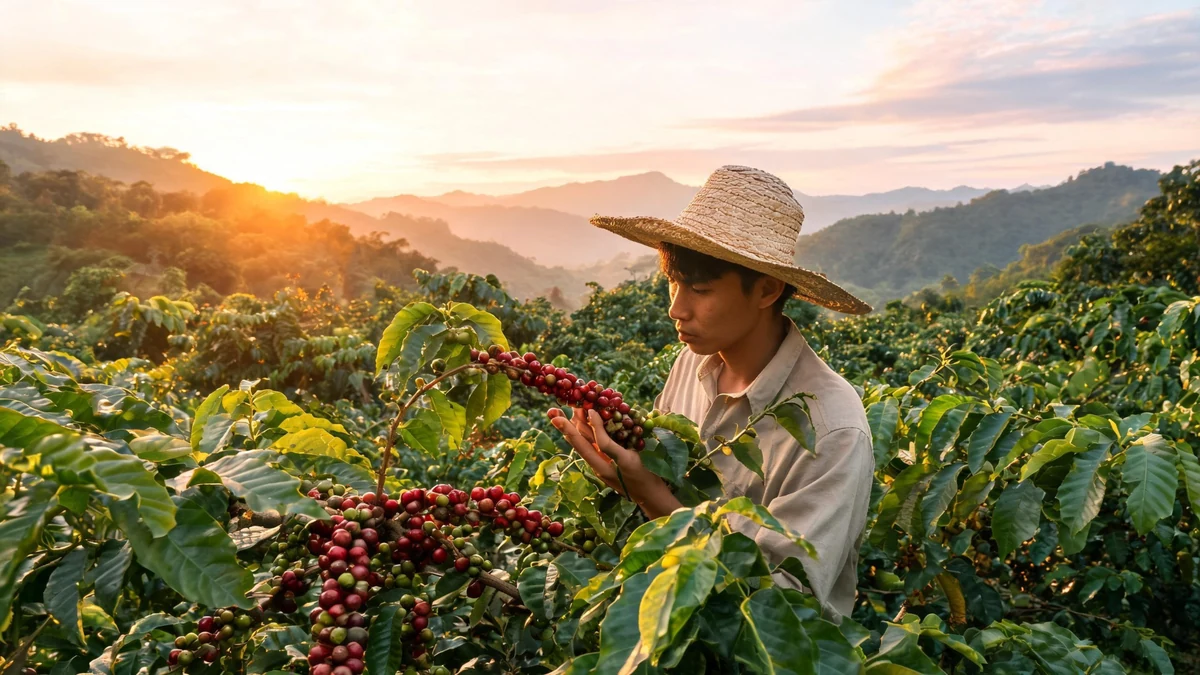
How Agriculture Shapes Coffee Flavor Before the Beans Reach the Roaster

Discover how agricultural practices influence coffee flavor profiles before the beans reach the roaster. This blog post explores the impact of...

Updated 1 June 2026The Micro Harvest Team10–12 min read
How Agriculture Shapes Coffee Flavor Before the Beans Reach the Roaster

Key Takeaways

  • Techniques of processing influence flavor profiles significantly.
  • Fermentation approaches play a crucial role in coffee development.
  • Eco-friendly farming methods contribute to quality and sustainability.
  • Regional customs and cultivation methods enhance uniqueness.
  • The pathway to roasting is vital in determining final taste.

Processing Methods

The journey of coffee beans from cherry to cup is a fascinating odyssey, pivotal in crafting the final flavor profile. At the heart of this transformation are two predominant methods: wet and dry processing. Wet processing kicks off with an energetic removal of the cherries' outer fruit before they undergo fermentation, a step that sharpens clarity and brightens the flavors dancing in your cup. On the flip side, dry processing embraces a more laid-back approach—letting those cherries bask under the sun while still cloaked in their fruity garments—resulting in rich, deeper notes that sing of lush sweetness.

But wait! The plot thickens! Factors like climate whims, altitude variations, and even individual producer practices throw delightful curveballs into this flavor equation. Oh yes, variability reigns supreme here; think about how fermentation time stretches or shrinks or how water quality shifts like chameleons on caffeine! A prolonged soak during fermentation can crank up acidity levels for wet-processed beans—a spirited zing—and then there’s that enchanting complexity found nestled within dry-processed varieties where sweetness weaves its intricate tapestry.

All these nuances introduce layers upon layers to what awaits at roasting time—everything from aroma wafting through the air to post-brew revelations lingering on your palate becomes influenced by every choice made along this intricate path. What you sip is not just coffee; it’s an experience crafted by nature's hand and human ingenuity alike.

How Processing Influences Flavor Development

The way coffee cherries are processed weaves a fascinating tapestry of flavor profiles within the beans, each thread significant in its own right. Take the wet processing method, for instance—a meticulous dance where cherries are depulped prior to fermentation. This prelude allows for a cleaner canvas, accentuating acidity and brightness like sunlight glinting off water. Here, beans wade through a bath of fermenting waters that coax out the mucilage clinging to them. The end result? A cup that bursts with crispness and juiciness, often revealing the unique essence of its origin.

Now flip the script to dry processing—an entirely different ballgame! Picture whole cherries sunbathing under golden rays; as they bask, they undergo a natural fermentation process that unfolds at its own pace. This method tends to drape the coffee in a heavier body and infuse it with an enticing fruitiness. During this drying journey, there’s an intimate interaction between cherry and bean that can conjure up complex flavors echoing dried fruits or even spices from distant lands. Each processing style stands as a pivotal architect of flavor destiny—shaping those distinctive characteristics that ignite passion among coffee aficionados everywhere!

Fermentation Practices in Coffee Production

Fermentation stands as a pivotal chapter in the saga of coffee production, wielding profound influence over the tapestry of flavors that dance within each final brew. Picture this: enzymes and microorganisms engaged in a delicate ballet, dismantling sugars and organic acids nestled within those vibrant coffee cherries. The outcome? A mesmerizing spectrum of taste characteristics unfolds—a symphony ranging from bright fruity bursts to ethereal floral whispers, intertwined with deep earthy tones and nutty nuances.

But wait! At the heart of this fermentation frenzy lies microbial activity, an unsung hero orchestrating the creation of unique flavor compounds. Yeasts, bacteria—these tiny titans convert simple sugars into acids and alcohols with flair, elevating both aroma and palate experience. And oh, how varied it all is! Different strains can conjure entirely distinct flavor profiles; it's like a never-ending quest for that elusive perfect cup! Producers are not mere bystanders here—they're adventurous experimenters, dabbling in diverse fermentation techniques or even embarking on meticulously controlled fermentations crafted to tease out specific flavors. This exploration isn’t just science; it’s artistry—an opportunity for coffee growers to carve their niche amidst an ever-crowded marketplace brimming with bold competition.

The Role of Microorganisms in Flavor Complexity

In the intricate dance of coffee production, microorganisms emerge as unsung heroes, weaving their magic into the beans' flavor tapestry. Picture this: during fermentation, a dynamic interplay unfolds between yeast and bacteria as they engage with the sugars nestled within the coffee cherry. This vibrant interaction ignites a cascade of volatile compounds—each one contributing its own whisper to the rich symphony of taste and aroma. Different strains of yeast don’t just show up; they bring along an array of flavors that can swing from bright fruity notes to lush floral hints or even delve into profound, complex depths. Meanwhile, lactic acid bacteria step in to elevate acidity levels while bestowing a creamy texture that dances on your palate.

But wait! The microbial cast is never static; it shifts and morphs based on environmental nuances—think soil composition, humidity levels, temperature variations—all shaping unique flavor signatures tied not just to regions but sometimes even singular farms themselves.

Now let’s talk cultivation—a critical piece in this flavorful puzzle. Farmers who champion traditional methods cultivate an environment where diverse microbial ecosystems can flourish. By embracing organic composting practices and dialing back chemical inputs while nurturing healthy soil conditions, these stewards of the land invite beneficial microorganisms to thrive. Not only do these practices foster robust microbial communities that enhance flavor complexity—they also fortify crops against pests and diseases.

The synergy between these microscopic allies and the coffee cherry sets off biochemical pathways that ultimately sculpt those alluringly distinctive flavor profiles we cherish so deeply—adding layers upon layers to our coffee experience long before those precious beans ever reach the roaster's embrace.

Sustainable Farming Practices

Sustainable farming practices are nothing short of pivotal in the realm of coffee production, weaving a complex tapestry that not only dictates environmental ramifications but also intricately shapes the flavor profiles of those beloved beans. Take agroforestry, for instance—a technique where coffee thrives beneath a verdant canopy of trees. This method doesn’t just boost biodiversity; it breathes life into soil health itself! By fostering an ecosystem ripe for natural pest control and slashing reliance on synthetic fertilizers, we edge closer to achieving harmony with nature.

Imagine soils bursting with organic matter—these nutrient-rich havens can elevate the nutritional prowess of coffee plants, possibly amplifying the very essence of their flavors. But wait, there’s more! Embracing these sustainable techniques often dovetails beautifully with organic certification. Farmers proudly wave this banner as a testament to their green ethos, attracting consumers who hold sustainability and quality close to heart.

The absence of harsh chemicals allows coffee beans to flourish in environments that echo nature's design—resulting in purer flavor profiles that dance on your palate. The interplay between sustainable and organic farming creates an enchanting narrative that captivates both producers and consumers alike, ultimately reshaping perceptions and elevating the taste experience in every sip.

The Impact of Organic Methods on Taste

In the realm of coffee cultivation, organic farming practices take center stage, championing a vibrant symphony of natural fertilizers and innovative pest control methods. This holistic approach doesn't just nurture the plants; it cultivates thriving soil ecosystems that are vital for the nutrient absorption critical to coffee's growth. The outcome? Beans bursting with rich flavor profiles, all while sidestepping the specter of chemical residues that could muddle their essence. By embracing biodiversity on these farms, organic methods unveil a tapestry of unique flavor notes—each one an echo of its local landscape and agricultural heritage.

Moreover, steering clear of synthetic chemicals opens up a world where microorganisms thrive alongside coffee plants. These tiny allies play pivotal roles in crafting complex flavors during fermentation—a crucial phase in bean development. The microbial diversity found in organic soils can spark intricate metabolic pathways that shape each bean’s identity. Thus, beans harvested from organically nurtured fields often reveal distinctive tastes, artfully showcasing the subtleties inherent to their varietals and the terroir from which they spring forth.

Coffee Variety Origin Tasting Notes Processing Method
Geisha Panama Floral, Jasmine, Bergamot Natural
SL28 Kenya Blackcurrant, Raspberry, Wine-like Washed
Bourbon Honduras Chocolate, Caramel, Vanilla Natural
Pacamara El Salvador Fruity, Citrus, Honey Honey

Local Traditions and Cultivation Techniques

The art of coffee cultivation dances intricately with local traditions, a tapestry woven from the diverse fabric of regional practices. Indigenous methods have sculpted the very essence of how coffee is nurtured, echoing the cultural legacies and environmental nuances that define each locale. Take, for instance, those lofty high-altitude farms where time-honored shade-grown techniques flourish—these not only safeguard rich biodiversity but also play a pivotal role in shaping the beans' flavor profiles. The result? A symphony of unique taste attributes that delight discerning palates.

Across different corners of the globe, an array of cultivation strategies emerges, each adding its own flair to the distinctive character of regional coffees. In Colombia, for example, farmers masterfully employ "Café en Terrazas," meticulously planting their crops on terraces designed to maximize sunlight and optimize water drainage. This method—not to mention specific harvesting rituals—can dramatically influence the final cup's flavor profile, imbuing it with subtle nuances deeply rooted in both environment and farmer expertise. Each singular approach to cultivation contributes richly to the vast kaleidoscope of flavors we relish today in our beloved brews.

Cultural Influences on Coffee Flavor Profiles

Across the globe, nations embrace their distinct cultivation techniques and rich traditions, weaving a tapestry that profoundly influences the flavor profiles of their coffee. Take Ethiopia, for instance—its coffee varieties often burst forth with bright acidity and enchanting floral notes. This delightful complexity can be traced back to time-honored harvesting and processing methods steeped in local lore. Every custom not only shapes how coffee is grown but also dictates the selection, processing, and brewing of beans—a symphony of practices culminating in a singular taste experience.

Delving deeper into regions like Colombia and Costa Rica reveals how history interlaces with culture to give rise to unique varietals that resonate with the very essence of their terroir. But it doesn’t stop there; festivals and communal rituals surrounding coffee drinking infuse this beloved beverage with profound cultural significance, elevating its status beyond mere sustenance into an art form. In many locales, coffee becomes a social glue—a shared elixir celebrated through intricate brewing techniques or age-old serving traditions that honor its distinctive characteristics.

Moreover, local preferences wield considerable influence over farmers’ decisions on what to cultivate, leading to an array of flavors that embody regional identities. These layered cultural elements not only deepen our appreciation for each cup but also enhance the vibrant spectrum of tastes available on the global market—an ever-evolving dialogue between tradition and innovation in every sip we take.

The Journey to the Roaster

Before the beans ever reach the roaster, they embark on a journey through a labyrinth of stages that intricately shape their ultimate flavor profile. Picture this: the altitude where these beans flourish—it's not just about height; it’s a symphony of variables! Higher elevations often gift us with beans bursting with acidity and complexity, while the whims of climate can introduce an array of distinctive flavor notes that dance across our palates. And let’s not overlook timing—the harvest moment is paramount; it determines how ripe those cherries become, directly influencing taste nuances.

But wait, there’s more! The methods used for transportation further weave into this tapestry of flavor evolution. Imagine beans traversing vast distances; each twist and turn in their travels subjects them to fluctuating temperatures and humidity levels. A misstep here—say exposure to too much moisture—and you might end up with undesirable traits creeping into your cup. It’s astonishing how these myriad pre-roasting elements lay down the groundwork for what will eventually bloom during roasting, making this entire trek to the roaster not just important but absolutely vital in crafting the rich flavors we savor in every sip of coffee.

How Pre-Roasting Factors Shape Final Flavor

Ah, the odyssey of coffee—from cherry to cup—is a labyrinthine affair, rich with myriad pre-roasting nuances that dance and weave to shape the final flavor tapestry. At the heart of it lies a pivotal element: the ripeness of those precious cherries when plucked from their boughs. Cherries kissed by the sun at just the right moment yield beans brimming with sugars and acids, crafting an intricate symphony of taste that tantalizes the palate.

But wait! The tale doesn’t end there; no, it twists further into processing realms—will it be wet or dry? Each method casts its shadow over what flavors will emerge like notes from a hidden melody. Wet processing tends to unveil vibrant fruity and floral highlights, while dry processing wraps them in earthy complexities—a delightful dichotomy!

And let's not overlook how these precious beans are treated post-processing; oh, such delicate care! Beans left to languish in dampness or subjected to temperature swings can morph into something unrecognizable—unwanted flavors creep in like unwelcome guests at a party. Meanwhile, factors such as fermentation time and specific microorganisms introduce yet more variability—a swirling cauldron of potential tastes waiting to unfold.

These elements intricately illustrate how agricultural practices intertwine with flavor potential—revealing layers upon layers even before that transformative roasting ritual begins!

  • The degree of cherry ripeness affects sugar and acid levels in the beans.
  • Processing methods (wet or dry) influence the overall flavor profile of the coffee.
  • The handling and storage conditions post-processing are critical to maintaining bean integrity.
  • Fermentation time can introduce additional flavor complexities and variances.
  • Specific microorganisms during fermentation can further enhance or alter taste characteristics.
  • Thorough quality control practices during pre-roasting phases are essential for optimal flavor development.
  • Understanding these pre-roasting factors can lead to more informed choices in bean selection and roasting techniques.

Conclusion

The winding odyssey of coffee, from sun-kissed farms to that steaming cup in your hands, stands as a vivid reminder of how cultivation and processing intricacies shape flavor. Each phase—whether it’s the delicate harvesting of cherries or the nuanced fermentation techniques employed—plays an indispensable role in crafting those distinctive profiles beloved by coffee aficionados. Sustainable farming practices entwined with local traditions, paired with meticulous bean handling, weave together a complex tapestry that culminates in an unforgettable taste experience.

To truly grasp what influences coffee's flavor is to unlock its full potential—a rich spectrum waiting to be savored. These myriad elements not only amplify sensory delight but also bring forth the cultural tales embedded within various coffee types. As this cherished beverage continues its ascent on the global stage, recognizing these foundational agricultural methods remains crucial for both producers and consumers alike. The dance between nature and nurture unfolds beautifully in every sip!

FAQs

What are the main processing methods used in coffee production?

Ah, behold the two titans of coffee processing! We have wet processing, a delicate ballet where coffee cherries undergo fermentation to bid farewell to their mucilage before basking in the sun’s embrace for drying. And then there’s dry processing—a rustic affair where whole cherries lay out under the radiant sky until they shed their outer layers like a snake sloughing off its skin.

How does processing influence the flavor of coffee?

Processing wields immense power over coffee's flavor profile—like an alchemist transforming base ingredients into liquid gold! Wet processing often conjures up cleaner, brighter notes that dance on your palate with zesty acidity and sweet whispers. In contrast, dry processing weaves a tapestry rich with fruity undertones and complex flavors, thanks to that magical fermentation taking place beneath the sun’s watchful eye.

What role do microorganisms play in coffee fermentation?

Enter stage left—the unsung heroes of our story! Microorganisms like yeast and bacteria are pivotal players in this grand fermentation spectacle. They work diligently during coffee's transformation phase, introducing a symphony of compounds that elevate flavor complexity—resulting in cups brimming with richness and delightful nuance!

How do sustainable farming practices affect coffee taste?

Picture this—a harmonious relationship between nature and cultivation through sustainable practices such as organic farming. These methods breathe life into soil health and biodiversity, crafting more vibrant plants that yield balanced flavors. By eschewing synthetic fertilizers and pesticides, farmers nurture an ecosystem that allows nature’s gifts to flourish authentically.

In what ways do local traditions and cultivation techniques impact coffee flavor profiles?

Local traditions hold sway over every facet of cultivation—from unique planting rituals steeped in history to altitude variations dancing hand-in-hand with climate quirks—all these elements converge to create distinct flavor profiles. Each cup tells a story; it whispers secrets of heritage while showcasing how geography shapes not just growth but also essence itself.

What factors in the journey to the roaster can shape the final flavor of coffee?

The path from tree to roaster is fraught with perilous twists! Handling during transport must be tender yet deliberate; timing between harvests sings its own tune; storage conditions become guardians of quality—all these threads weave together intricately impacting how those beans will ultimately perform when kissed by fire at roasting time. Care here ensures they retain their character before unveiling themselves in all their glorious aromatic splendor at last!