
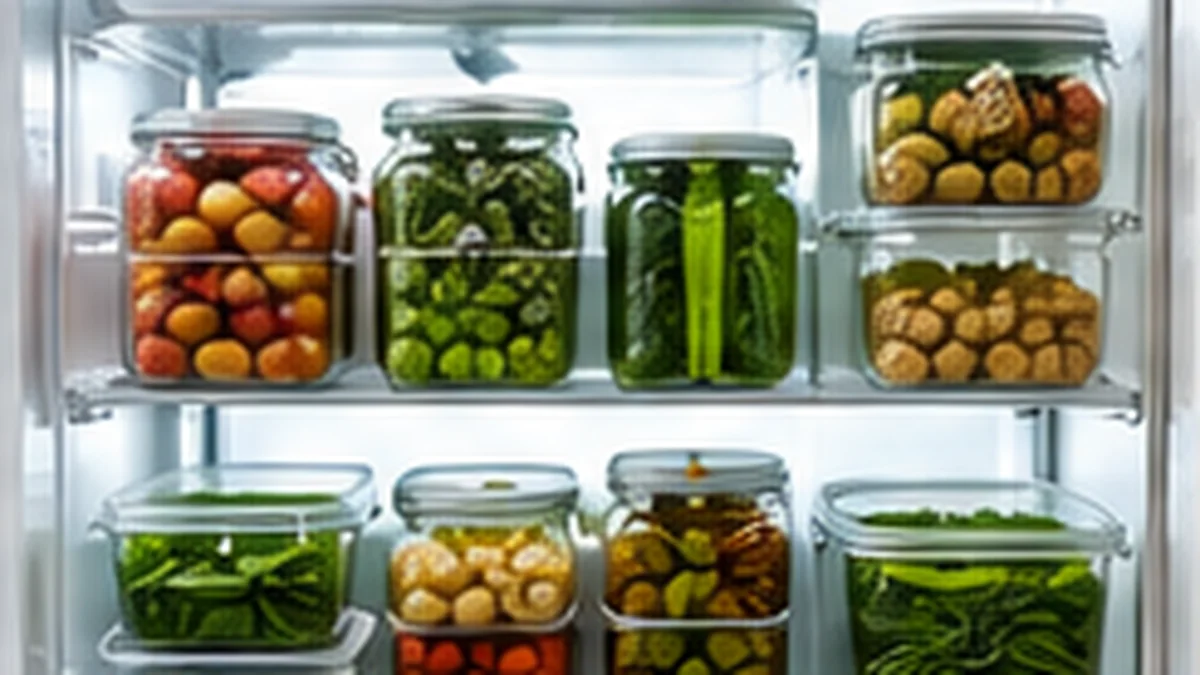
Freshness is controlled by environment
Food loses quality because of moisture changes, temperature abuse, oxidation, microbial growth and physical damage. A refrigerator slows some of these processes, but it does not stop them. Good storage controls the environment around each ingredient.
The same shelf is not right for every food. Leafy greens, raw chicken, cooked rice, onions, herbs and frozen products have different needs. Treating them the same way creates waste and safety risk.
Use refrigerator zones wisely
The coldest areas are better for high-risk foods such as raw meat, poultry and seafood. These should be covered and kept below ready-to-eat foods to prevent drips. Door shelves are warmer and better for condiments than for milk or raw ingredients.
Overfilling the refrigerator blocks airflow. A crowded fridge may feel cold but cool unevenly. Leaving space between containers helps temperature recover after the door is opened.
Control moisture instead of trapping it blindly
Some foods need moisture protection, while others spoil faster when trapped with water. Leafy greens often last longer when excess moisture is removed and a towel absorbs condensation. Mushrooms need breathability. Cut fruit needs clean sealed storage.
Washing produce before storage can be useful for convenience, but only if it is dried well. Wet storage creates soft texture, odor and decay.
Separate raw, cooked and strong-smelling foods
Raw animal foods should be separated from cooked or ready-to-eat items. Strong-smelling foods should be sealed so they do not transfer odor. Cooked foods should be labeled and stored in shallow containers.
Separation is not only about hygiene. It also protects flavor. Butter, fruit, cooked rice and desserts can absorb odor from fish, onions or spices if storage is careless.
Rotate stock before buying more
First-in, first-out is simple but powerful. Older ingredients should be moved forward and used before newer items. A weekly refrigerator check prevents forgotten containers from becoming waste.
Storage improves when shopping is connected to what is already available. The cheapest food is often the food already purchased and used before it spoils.
The market-to-home trip is part of storage
Food storage does not begin when food enters the refrigerator. In a hot climate, the trip from market to home can already affect leafy greens, fish, chicken, dairy and leftovers. Buying high-risk foods last and going home directly can protect freshness more than rearranging the refrigerator later.
At home, the practical routine is to separate raw and ready-to-eat foods, use shallow containers for leftovers, avoid overloading the fridge and keep dry goods away from humidity and insects. These small habits reduce waste and reduce safety risk at the same time.
How the references support this article
The sources below support general food safety, storage and handling principles. For medical, industrial or regulatory decisions, readers should follow the applicable official guidance.
A refrigerator layout example
Raw chicken on the top shelf, uncovered leftovers, wet vegetables in sealed bags and old items hidden at the back create avoidable risk. A better layout keeps raw animal products below ready-to-eat food, uses containers that close properly and places older items where they will be used first.
Good storage is not only about buying a bigger refrigerator. It is about giving cold air room to move and making the next decision obvious.
Storage decisions after a market trip
After shopping in a warm climate, the order of unpacking matters. Frozen items and raw meat should go first, leafy vegetables should be checked for excess moisture, and dry goods should be kept away from steam or damp floors. Waiting until everything is sorted perfectly can actually expose high-risk food to more heat.
A good storage routine also considers what will be cooked first. Food planned for tonight does not need the same treatment as food planned for next week. This simple planning reduces waste and helps households use freshness while it is still available.