
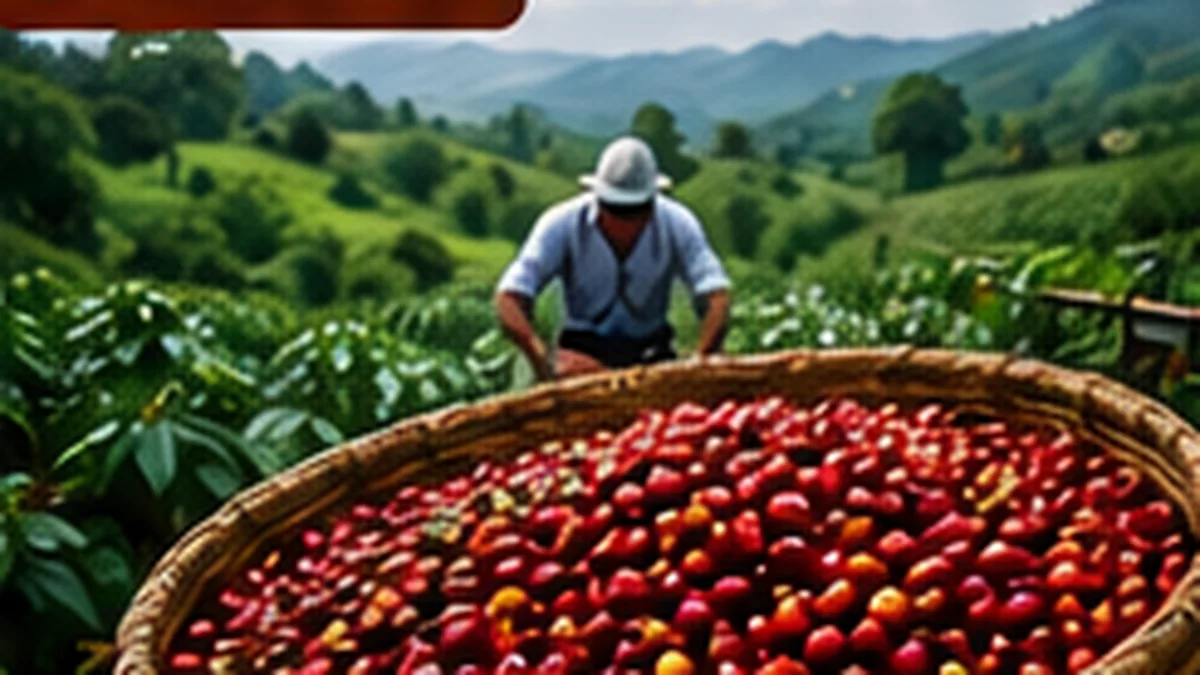
Processing begins after cherry selection
Coffee processing starts with the quality of cherries entering the station. Ripe, clean and sorted cherries give every method a better chance; mixed maturity creates uneven fermentation and drying.
Natural, honey and washed processes are not flavor tricks. They are different ways of removing fruit, managing mucilage and drying the seed to a stable condition.
Natural process keeps the fruit longer
In natural processing, whole cherries are dried with the fruit still around the seed. This can create fruit-forward sweetness and heavier body when managed well.
The risk is uneven drying and unwanted fermentation. Thick layers, poor turning or humid weather can produce moldy, alcoholic or over-fermented notes.
Washed process focuses on clarity
Washed coffee removes the skin and mucilage before drying, often using fermentation and washing to clean the seed surface. The result can highlight acidity, clarity and origin character.
Clean water, fermentation control and drying discipline are essential. A washed process is not automatically clean if tanks, timing or drying beds are poorly managed.
Honey process sits between the two
Honey processing leaves some mucilage on the seed during drying. The amount left and the drying routine influence sweetness, body and risk.
Because sticky mucilage slows drying and attracts microbial activity, honey process requires careful layer thickness, frequent turning and weather awareness.
Processing is a flavor decision and a risk decision
Natural, honey and washed processing are often described by flavor, but farmers also choose them based on water access, drying space, labor, weather and buyer expectations. A natural process can create fruit-forward sweetness, yet it needs careful drying and turning. A washed process can produce clarity, but fermentation and washing must be controlled.
In a wet week, the best processing method on paper may not be the best method on the farm. If drying beds are crowded and airflow is poor, coffee can develop moldy or over-fermented notes. The practical decision is always tied to the local drying capacity.
How buyers read a processed lot
Buyers do not judge a coffee only by the process name. They cup the lot, check moisture, look for defects, ask about drying and compare the sample against the volume offered. “Honey process” or “natural process” is useful only when the actual lot is clean, stable and repeatable.
How the references support this article
The sources below support the general background on coffee quality, post-harvest handling and trade. Practices still need to be adjusted to variety, weather, farm scale and buyer specification.
A buyer’s table tells the story
At a buying table, process names are only the beginning. A natural coffee may be attractive if fruit notes are clean, but it can be rejected if fermentation becomes winey, moldy or unstable. A washed coffee may be praised for clarity, but it can still be flat if cherries were immature or drying was rushed.
That is why buyers often ask for both cup quality and physical information: moisture, defects, screen size, process date, drying method and storage condition. Flavor and logistics meet in the same lot.
The role of weather in processing decisions
Indonesian coffee areas can face sudden rain during harvest. When drying space is limited, farmers may need to choose smaller batches, raised beds, temporary covers or a different process style. The best process is the one the farm can control consistently.
A farm-level processing decision
A farmer choosing between natural, honey and washed process is also choosing a risk profile. Natural needs space and disciplined drying. Washed needs water and careful fermentation control. Honey sits between them, but can become sticky and difficult to dry if weather turns humid.
The best choice is not the most fashionable name. It is the process that the farm can repeat cleanly with its labor, climate, equipment and buyer expectations.